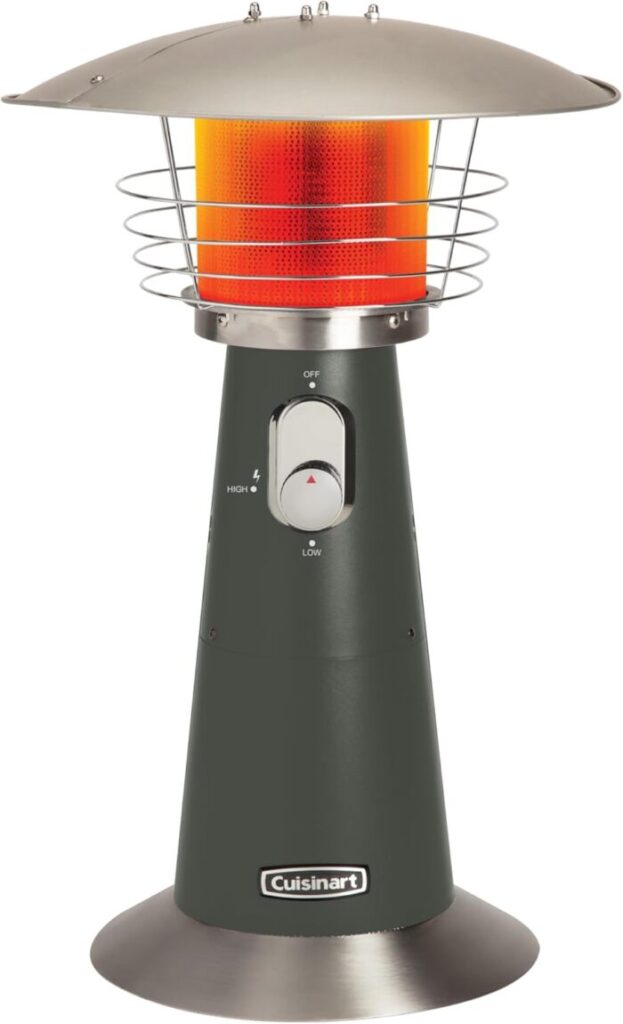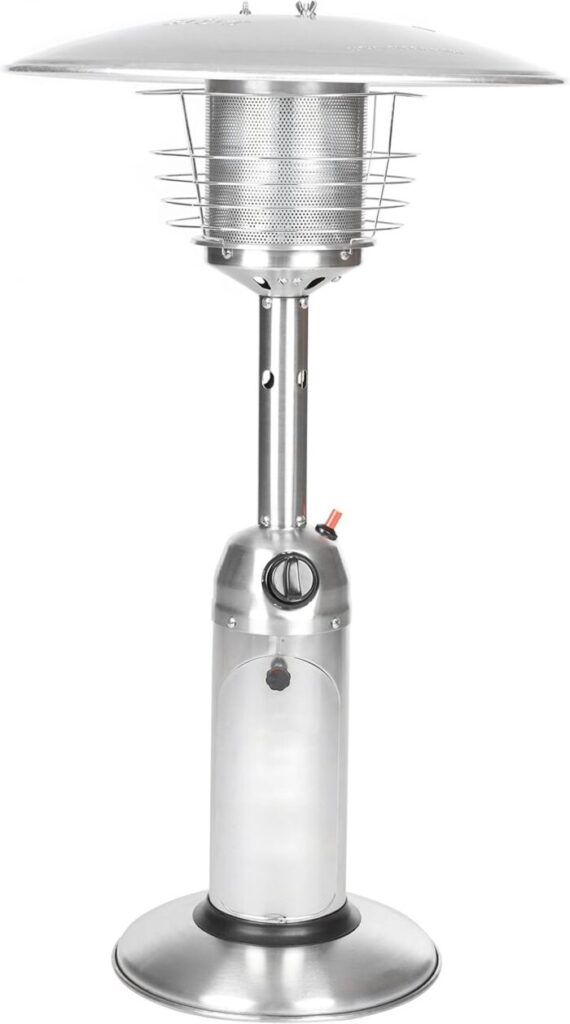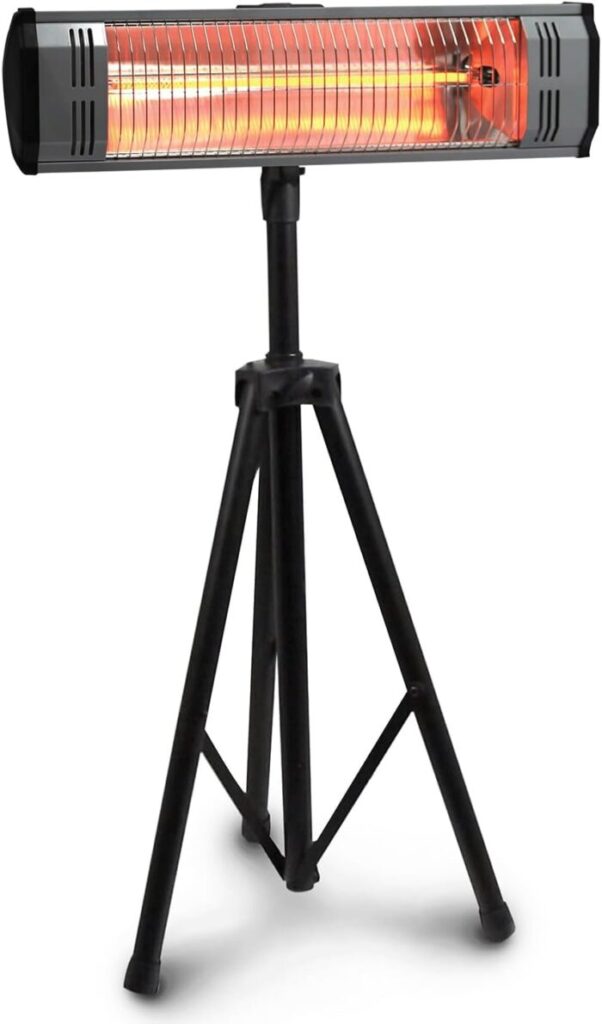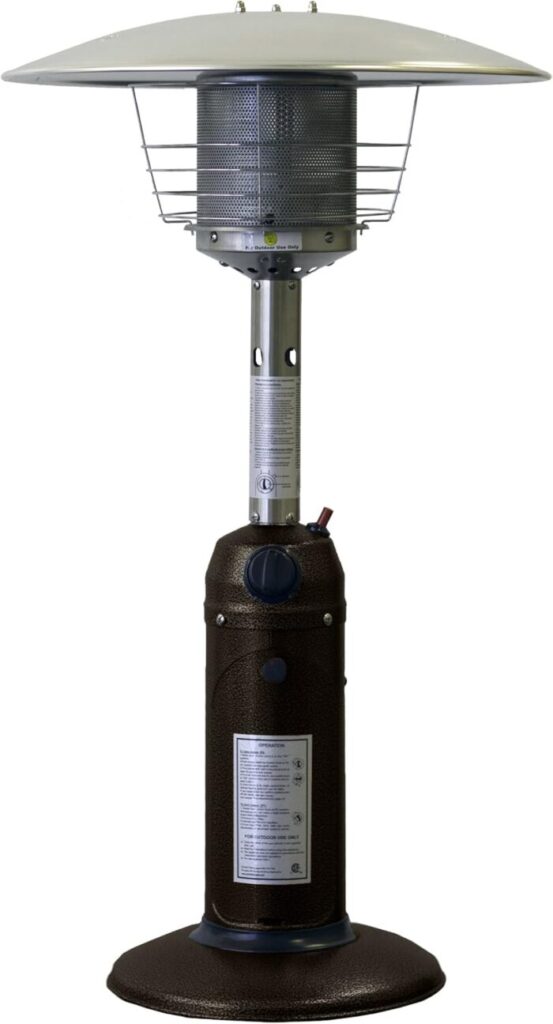
A tabletop patio heater sounds like the simplest fix for chilly evenings — drop it on the table, twist a knob, and suddenly everyone’s hands are warm again. Real life is a little pickier. The “best” tabletop heater depends on wind, how close you actually sit, and whether you’d rather deal with propane bottles or a power cord.
Most tabletop models are close-range heaters. They’re great for bistro sets, small decks, and two-to-four-person hangs — but they won’t heat an entire patio the way tall mushroom or pyramid heaters can. That’s why this guide focuses on the tabletop sweet spot: cozy heat where you’re seated, reasonable portability, and fewer “why is this not working?” surprises.
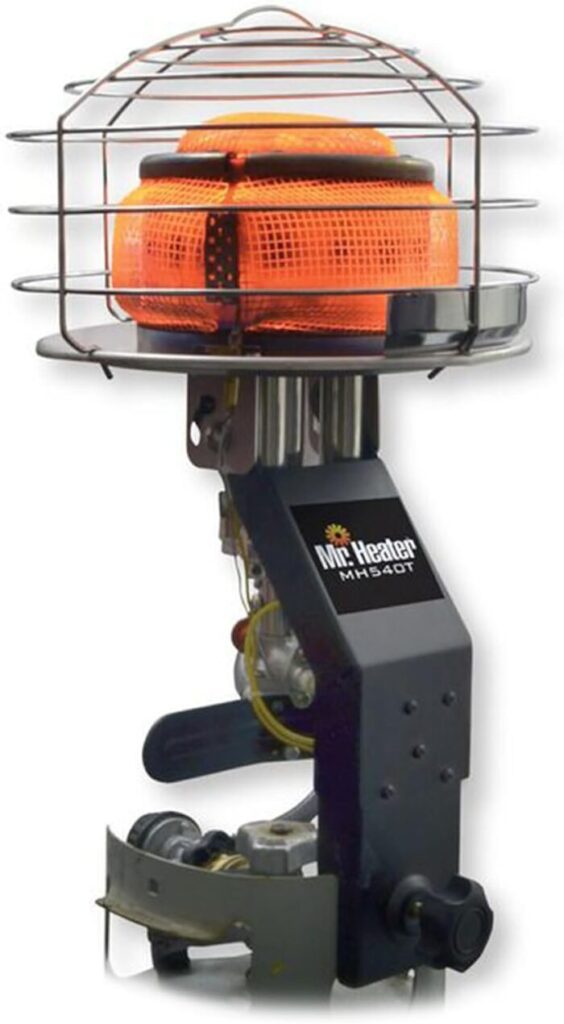
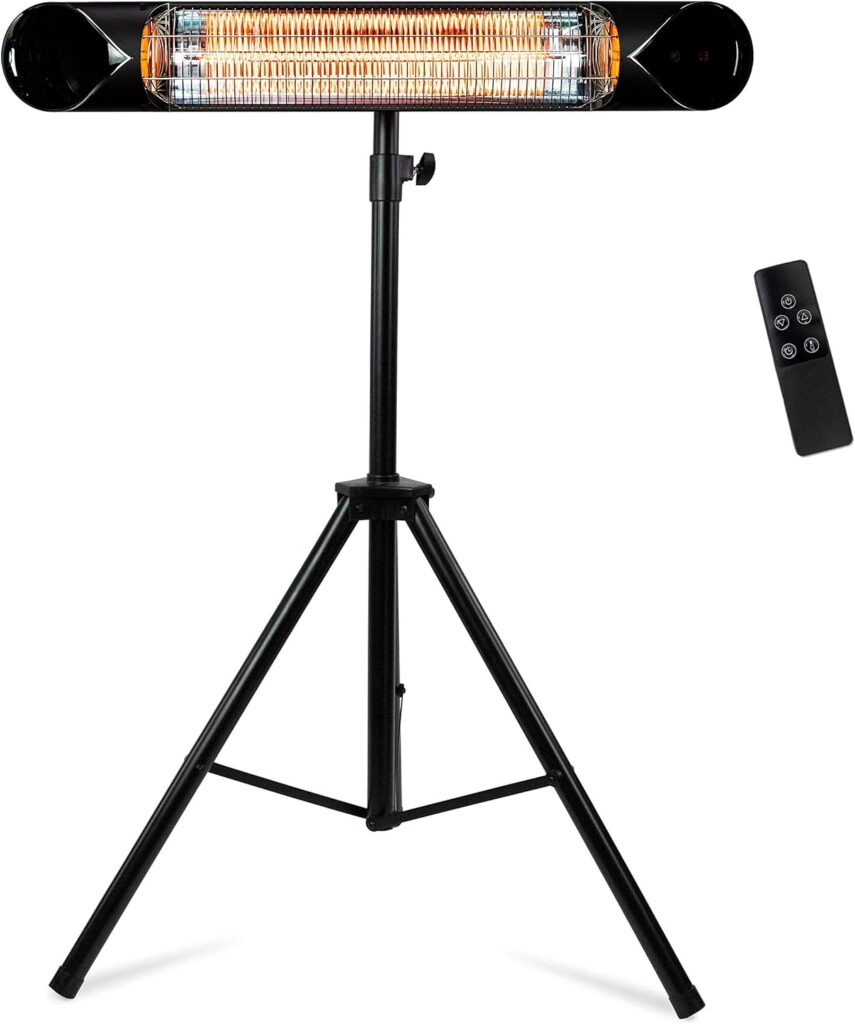
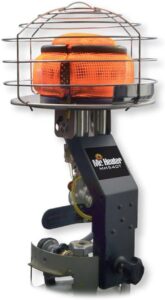
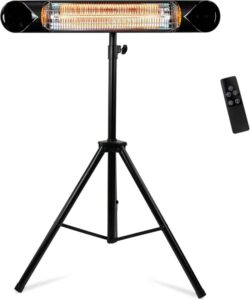
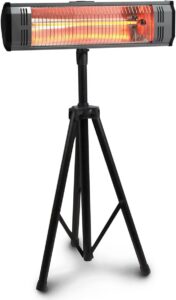
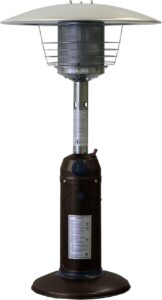
We narrowed it down to six picks that cover the most common needs — classic tabletop propane, truly compact small-space options, a sheltered-patio favorite, a portable propane “take it anywhere” alternative, and two electric infrared picks for covered setups.
How We Chose These Heaters
We focused on heaters that make sense for real tabletop use: practical warmth at seating distance, stable designs, and day-to-day convenience (ignition, portability, storage). We also looked for picks that solve different problems — like wind sensitivity, tiny tables, or “I want heat but I don’t want propane.” Value matters too: a tabletop heater should feel worth it even if you only use it for an hour here and there, not just on the coldest night of the year.
What to Consider When Buying
Propane tabletop vs electric infrared: which one fits your setup?
Propane tabletop heaters are great when you don’t want cords, don’t have a convenient outlet, or you want something you can move around easily. The trade-off is fuel: most tabletop propane models use 1 lb cylinders, which are convenient but can add up if you use them often.
Electric infrared is the “plug in and chill” option — especially for covered patios, pergolas, and screened porches. Infrared is also nicely quiet. The trade-off is coverage: electric patio heaters usually work best as spot heat, and you’ll need an outlet you trust (and ideally a dedicated circuit).
How much heat should you expect from a tabletop heater?
Set expectations early: tabletop heaters are typically “warm the people, not the patio.” You’ll feel the best results when the heater is near the center of where you’re sitting and you’re within a few feet. If your goal is to make a whole open patio feel warm, you’ll usually be happier with a taller propane heater or multiple heaters.
A quick rule: if your patio is open to wind, prioritize placement and wind shelter over chasing bigger numbers. Wind steals heat fast.
Wind is the real boss outdoors
If your space is breezy, tabletop propane heaters can feel underpowered, not because they’re “bad,” but because the heat gets pushed away before it reaches you. For windy patios:
- Place the heater closer to seating (and slightly downwind if possible).
- Use it where there’s a wall, privacy screen, railing, or corner that blocks gusts.
- Consider an electric infrared heater if you have an overhead cover and an outlet — infrared feels more direct when it’s aimed well.
Table space, stability, and “oops” moments
Tabletop heaters are most enjoyable when they don’t dominate the table. On a small bistro table, a bulky heater can turn dinner into a game of “where do we put the plates?”
Also think about stability. If your table wobbles, or you’ve got kids/pets, look for:
- A solid base footprint
- Tip-over shutoff (common on better models)
- A setup that doesn’t force you to run cords through walkways (for electric)
Safety basics that actually matter
- Propane: only use in open-air, well-ventilated spaces. Keep clearance from umbrellas, curtains, railings, and anything flammable.
- Electric: avoid cheap extension cords. If you must use one, it should be outdoor-rated and heavy-gauge, and you should keep the cord out of foot traffic.
- Both: give heaters a stable surface and don’t run them unattended.