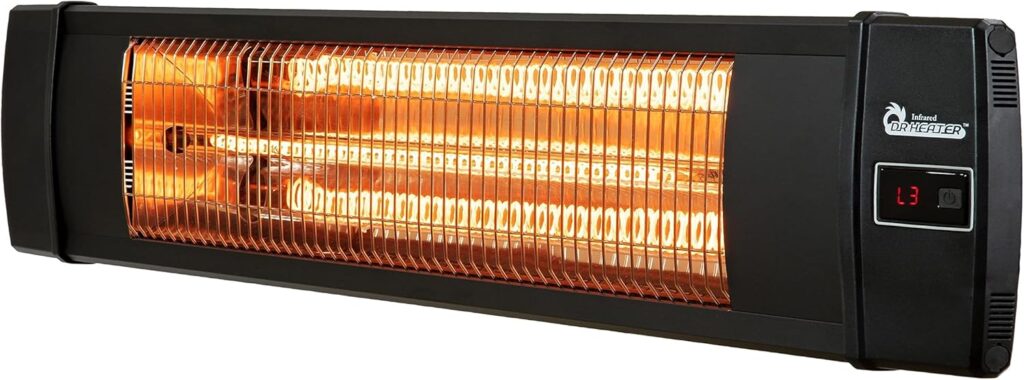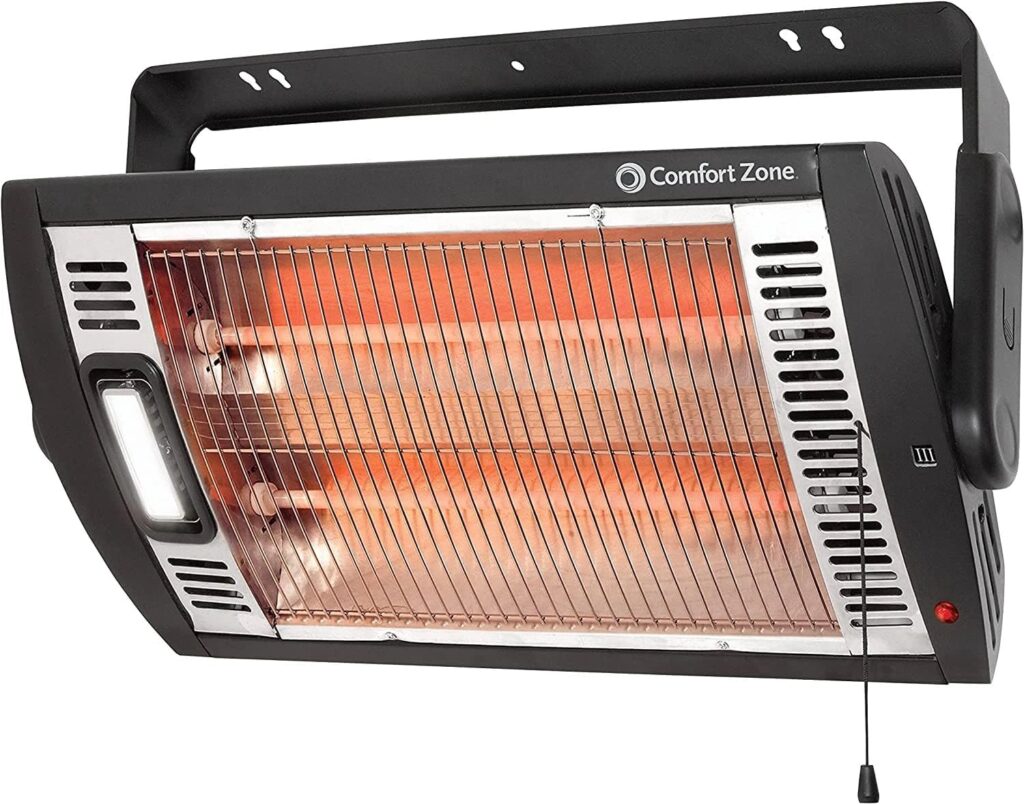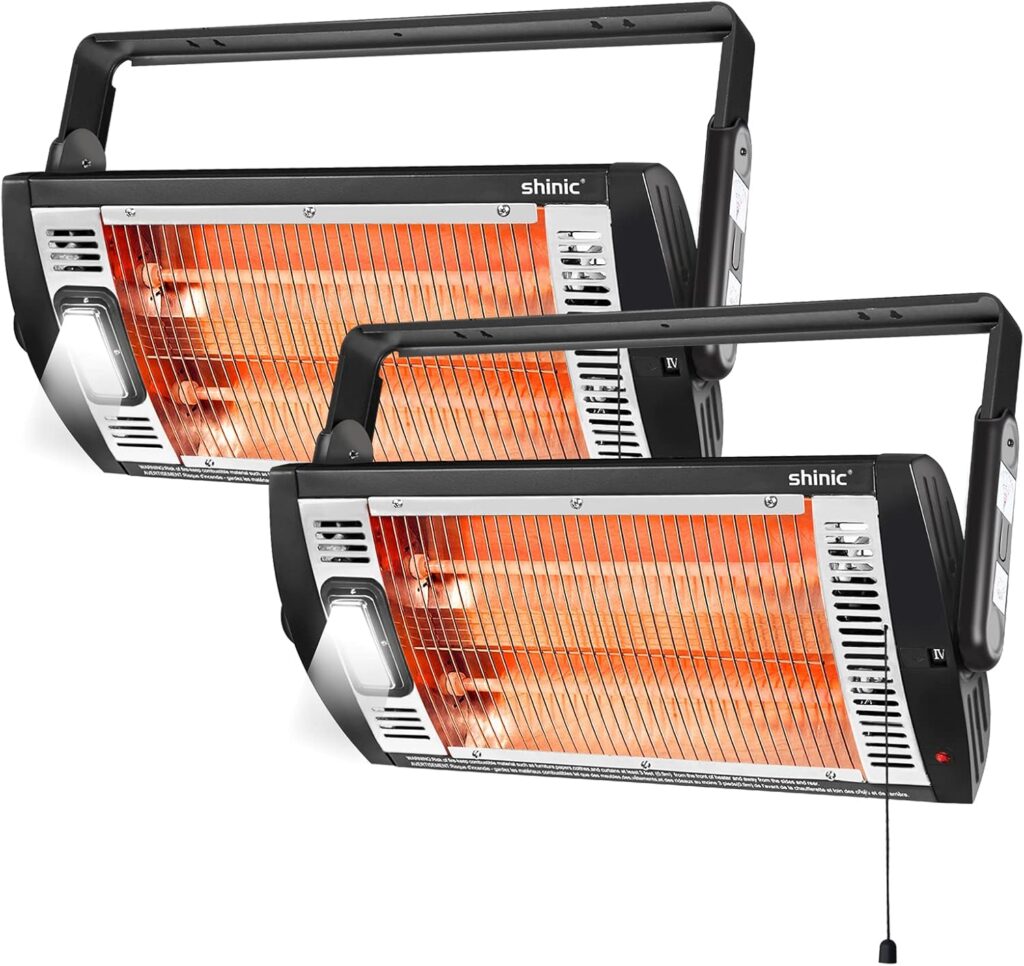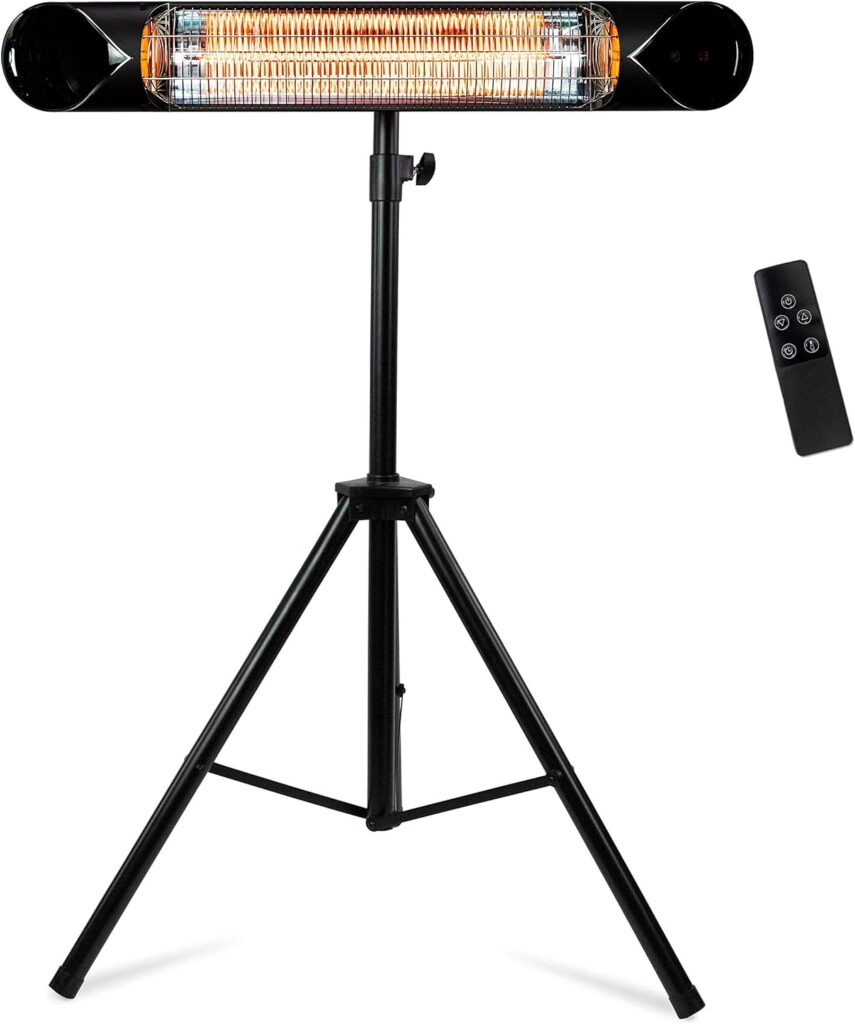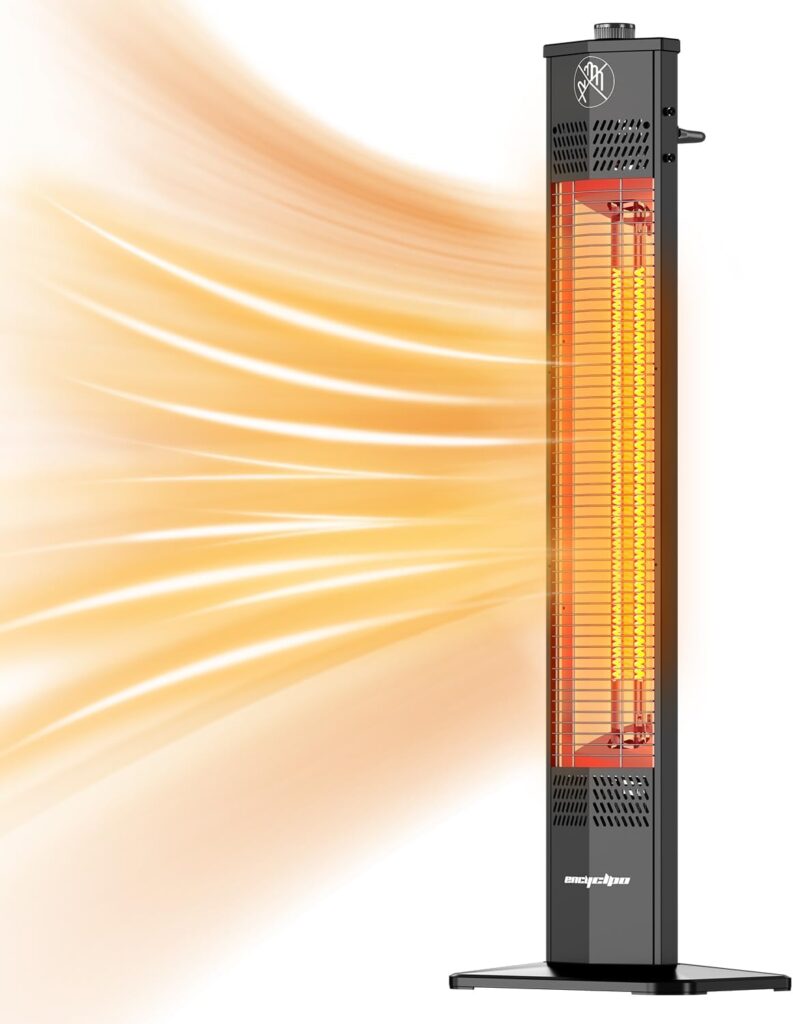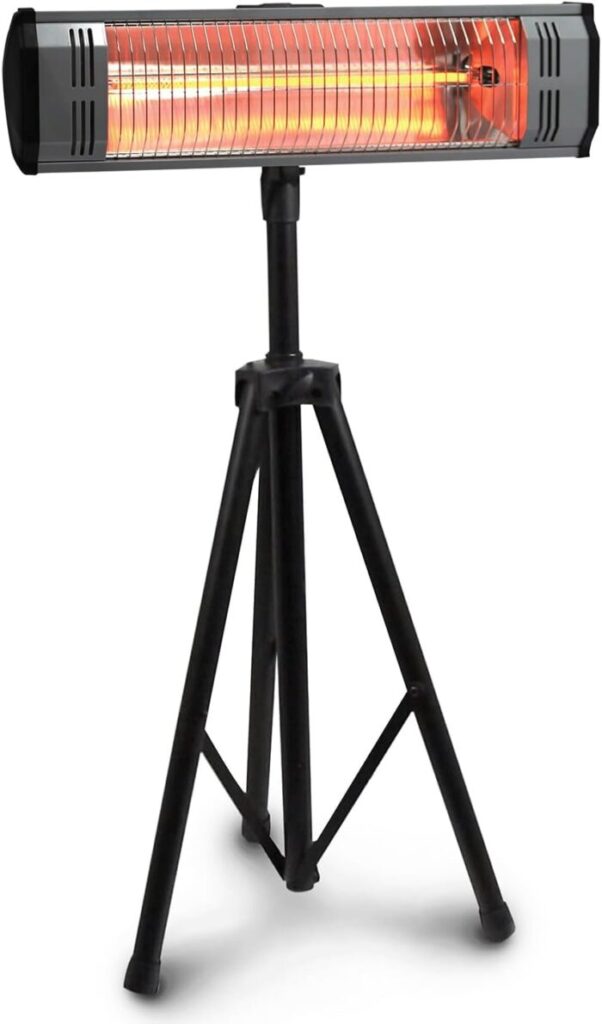
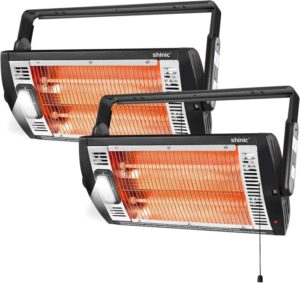
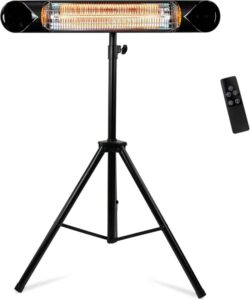
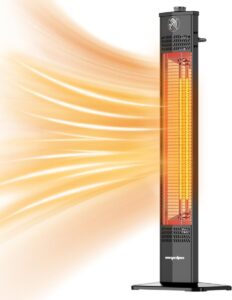
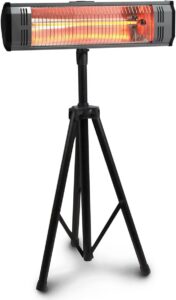
Choosing between ceiling-mounted and wall-mounted patio heaters usually comes down to one thing — where you can put the heat so it actually lands on people, not empty air. Both styles save floor space, both can feel amazing on a covered patio, and both can be “set it and forget it” once they’re installed.
The tension is that they behave differently in real life. Wall-mounted heaters are naturally more directional and easier to aim at a dining table or lounge set. Ceiling-mounted heaters can feel more like a “blanket” if they’re placed and hung at the right height — but ceiling height, joist strength, and clearances matter a lot. Here’s how to pick the right mount for your space without overthinking it.
| Feature | Ceiling-Mounted | Wall-Mounted |
|---|---|---|
| Best for | Even heat over seating | Targeted heat zones |
| Typical patio fit | Covered patios, pergolas | Covered patios, exterior walls |
| Install complexity | Often harder (joists, height) | Often easier (solid wall) |
| Clearance sensitivity | High (height + overhead space) | High (near ceiling/overhang) |
| Best “feel” | Broader comfort zone | Stronger “on you” warmth |
| Main drawback | Wrong height = weak heat | Bad angle = wasted heat |
Key Differences
Heat “shape”: blanket vs spotlight
Wall-mounted heaters are basically a spotlight. You aim them toward the couch, dining table, or bar top and you feel warmth quickly where the beam lands. That’s why they work so well in low-ceiling areas or patios with a nearby wall that lines up with your seating.
Ceiling-mounted heaters can feel more like a blanket if the height is right. They’re above you, so the heat spreads more evenly across a zone, especially when you’re trying to warm a table plus the chairs around it. But if the heater ends up too high, it’s common to feel “meh” warmth — the heat is there, but it’s not intense.
Real-world takeaway: if your seating layout moves around, wall-mounting can feel too “aimed.” If your seating is fixed, ceiling-mounting can feel more natural.
Height and clearances matter more than people expect
This is where a lot of installs go sideways. With overhead heat, mounting height and clearance to combustibles are the difference between “wow” and “why did I buy this.”
A common guideline you’ll see is an optimal mounting height around 8–9 feet for many outdoor heaters, with specific minimum clearances listed in each manual. Ceiling-mounted units also need safe spacing above them (often several inches) and distance from things like umbrellas, curtains, plants, awnings, fans, lights, and anything that can heat up or melt.
Wall-mounted models have a similar issue, especially when the wall is under an overhang. You have to confirm distance to the ceiling above, side clearances, and distance to anything combustible. In plain terms: if the heater is too close to “stuff,” you’ll either install it unsafely or you’ll be forced into an angle that wastes heat.
Real-world takeaway: don’t pick mount type first — pick safe mounting location first, then choose the mount style that fits it.
Installation reality: ceiling usually takes more planning
Wall-mounting is often simpler because you can anchor into solid framing (studs, masonry) and run wiring cleanly along a wall. If you’re using a plug-in unit, wall mounting can also be a more renter-friendly path (depending on your space) because you’re not drilling into overhead structure.
Ceiling-mounting asks more questions: Can the ceiling carry the weight? Where are the joists? Do you need a drop pole to bring the heater down to an effective height? Is your patio ceiling sloped, louvered, or partly open? If you’re considering flush/recessed styles, you also have to think about cavity clearance inside the ceiling.
Real-world takeaway: if your ceiling is “complicated,” wall-mounting is usually the smoother install.
Controls and day-to-day convenience
Both types can be simple on/off or more advanced — timer, multiple heat levels, remote, wall switch, or smart controls (it depends on the heater). In practice, mount choice affects convenience because it changes where you’ll naturally want controls.
Wall mounts pair nicely with a nearby switch location. Ceiling mounts are great when you want the heater out of sight, but you’ll want a plan for control — remote, wall controller, or smart setup — so you’re not dragging out a ladder just to reset something.
Real-world takeaway: if you’ll adjust heat a lot during the evening, prioritize a control setup you’ll actually use.
Which Should You Buy?
Choose a ceiling-mounted heater if your patio is covered and your seating area is fairly centered — like a dining table under a roof, pergola, or covered lounge zone. Ceiling mounting keeps the space feeling open and can deliver a more even comfort zone when the heater is mounted at the right height with proper clearances.
Choose a wall-mounted heater if you have a solid wall near the seating zone, your ceiling is low or awkward, or you want stronger targeted warmth on a specific area (couch, table, workbench). Wall mounting is also a great “practical” choice when ceiling structure or placement options are limited.
Tie-breaker: if you can comfortably mount at the right height overhead, ceiling feels more natural. If you need to aim heat like a flashlight, wall mounting wins.