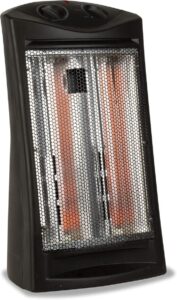
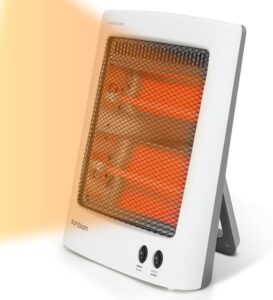
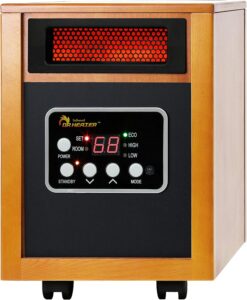
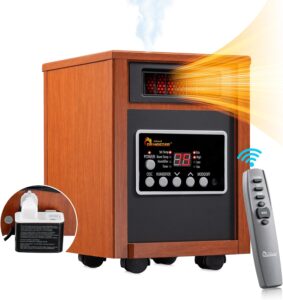
Finding the best infrared heaters for bedrooms sounds easy until you start comparing them side by side. A lot of models promise quiet warmth, better comfort, and “sun-like” heat, but bedroom use is different from daytime spot heating in an office or garage. At night, little things matter more — fan noise, bright displays, thermostat cycling, and whether the warmth feels calm or harsh after an hour.
That’s why bedroom shopping gets tricky fast. Some heaters are great at warming your feet but not the room. Others can heat a bedroom more evenly, but they take up more floor space than you expected. Then there’s the comfort question. Two heaters can use similar power and still feel completely different once you’re trying to read, relax, or fall asleep.
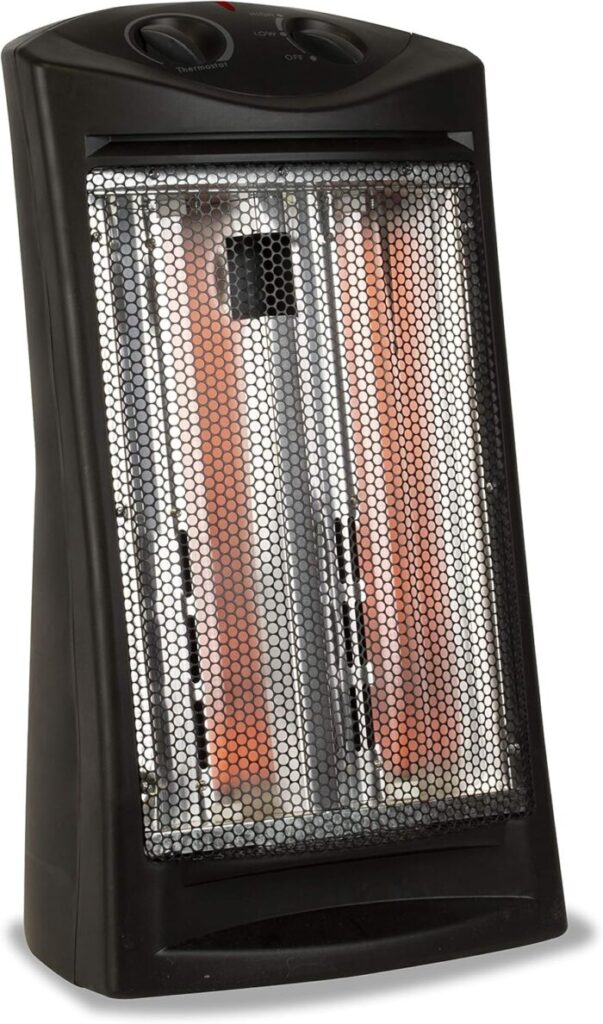
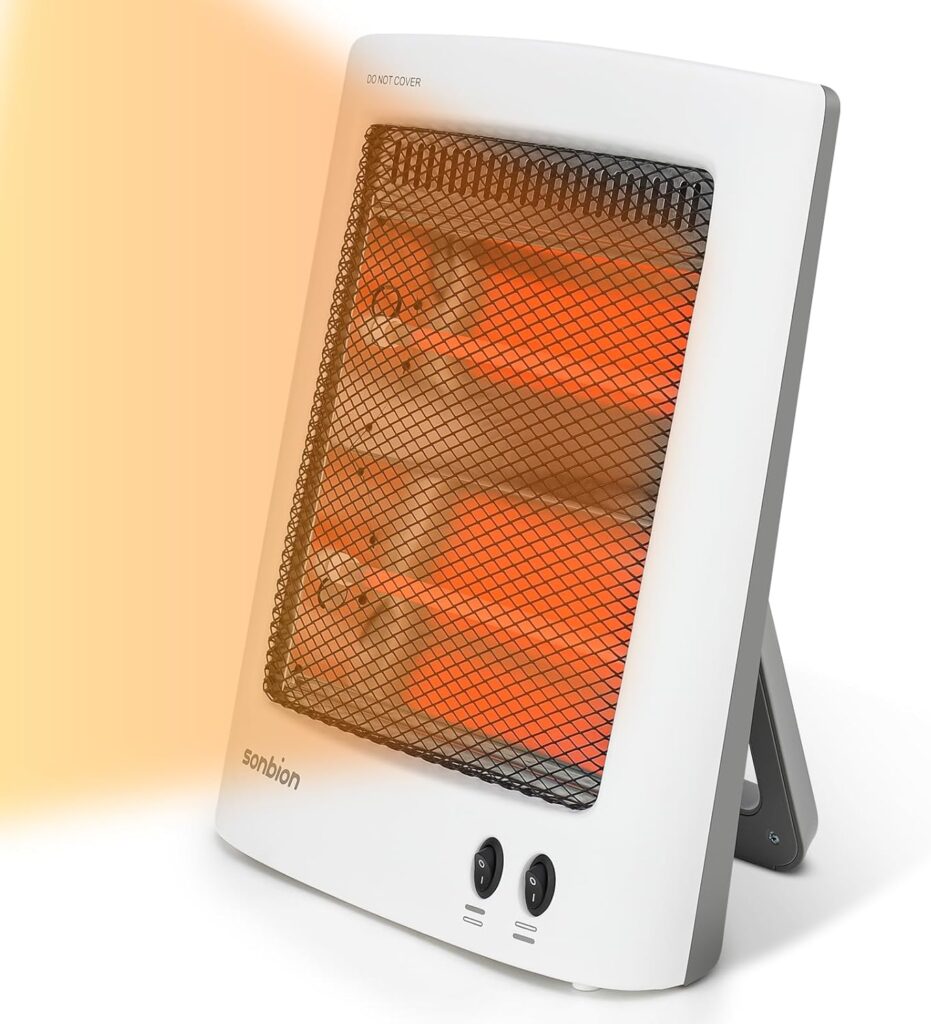
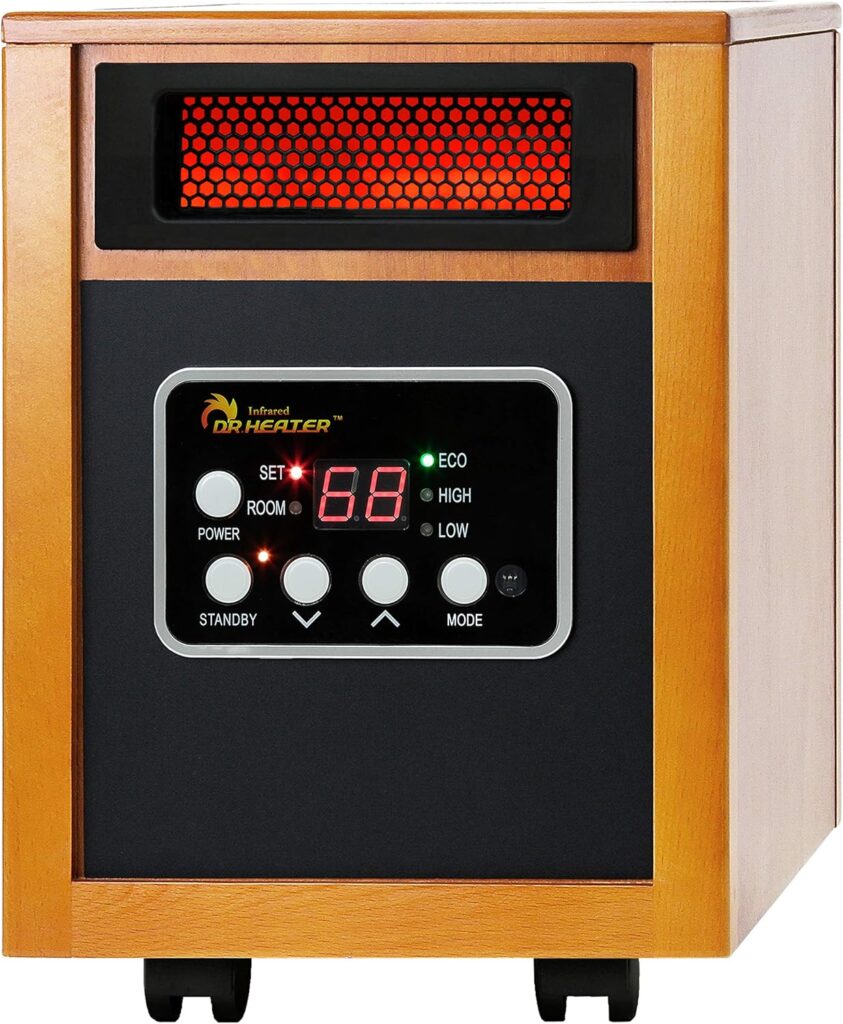
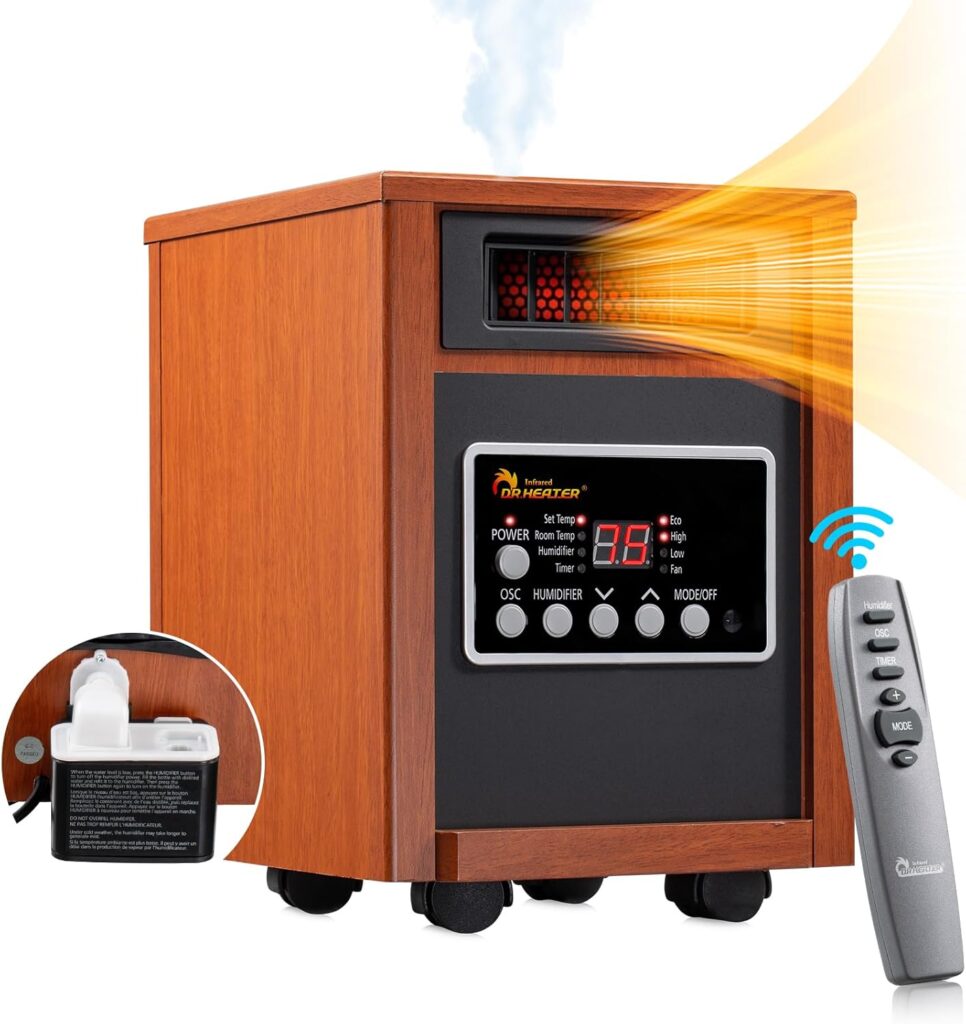
This guide focuses on four infrared picks that make the most sense for bedroom use. The shortlist covers the main situations most people care about — steady whole-room comfort, personal heat near the bed or desk, thermostat-driven “set it and forget it” use, and quicker warm-up when the room feels cold and uninviting.
How We Chose These Heaters
We kept the bedroom angle front and center. That means we cared less about flashy marketing and more about how a heater fits real nightly use. We favored models that make sense for quiet rooms, consistent comfort, safe placement, and the kind of heat you can actually live with before bed. We also looked at whether each heater works best as a true bedroom heater or more as a personal comfort add-on, because those are not the same thing.
What to Consider Before You Buy
Whole-room comfort vs personal heat
This is the first thing to get right. If your bedroom itself runs cold, a compact personal radiant heater probably won’t solve the real problem. It may warm you, but not the room. That’s why cabinet-style units like the OSTBA or the DR models make more sense for people who want the whole space to feel comfortable.
Personal radiant heaters are still useful, though. They shine when you only need warmth in one zone — beside the bed, under a desk, or near a reading chair.
Quiet vs silent
A lot of bedroom buyers really mean silent when they say quiet. Most larger infrared bedroom heaters are quiet enough for many people, but not truly silent. You may still hear airflow, fan movement, or thermostat cycling.
Smaller radiant units often feel quieter because they do less. The trade-off is less coverage. So it’s really a choice between quieter personal warmth and broader room comfort with some low-level noise.
Heat feel matters as much as wattage
Here’s the thing — most standard plug-in electric heaters at the same wattage cost about the same to run. What changes is how the heat feels. One heater may feel calmer and steadier. Another may warm up faster but seem harsher over time.
That’s why bedroom shoppers often like infrared-style cabinet heaters. The comfort can feel less aggressive than a straight fan-blast ceramic. Not magic — just a different experience.
Don’t skip bedroom safety basics
For a bedroom heater, tip-over protection, overheat shutoff, and a stable base are non-negotiable. Keep the heater on the floor, away from bedding, curtains, laundry, and anything soft or flammable. Never use an extension cord or power strip.
A good heater helps you relax. A badly placed heater does the opposite.