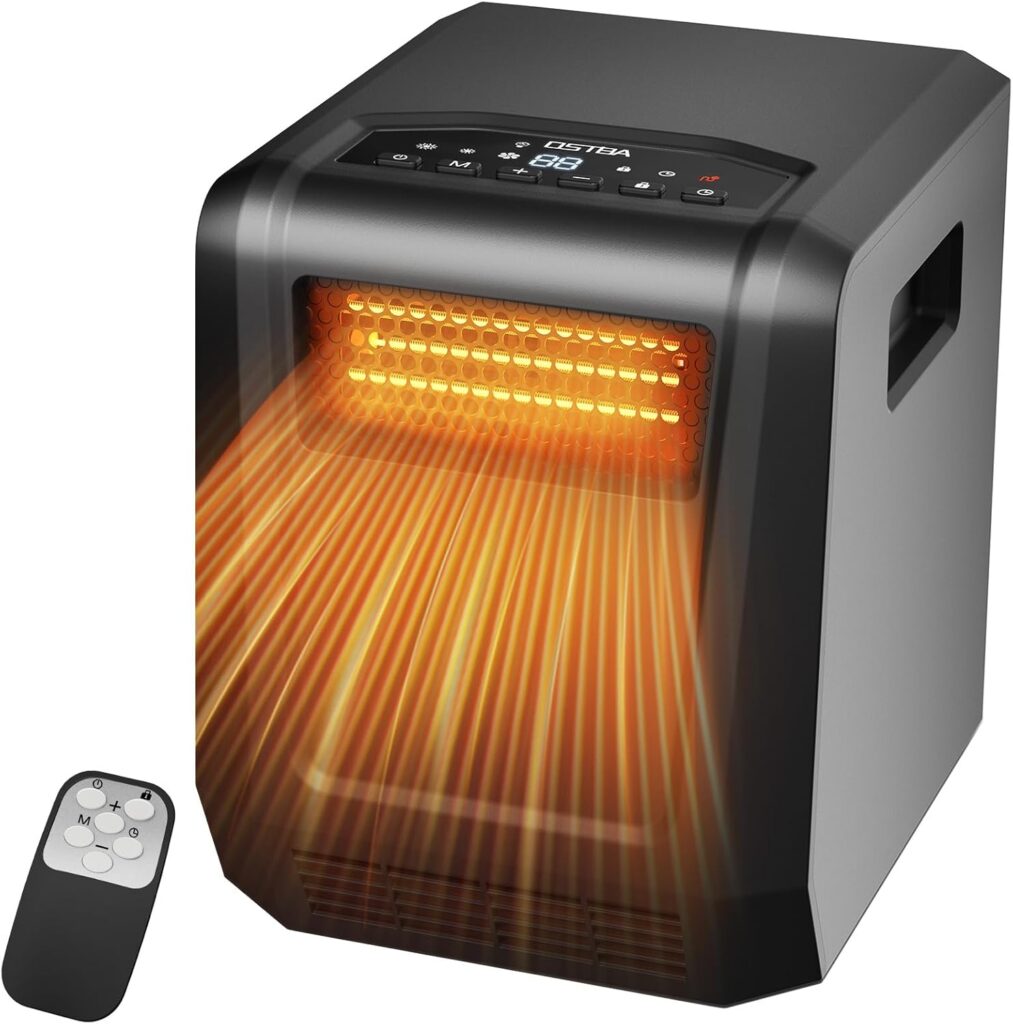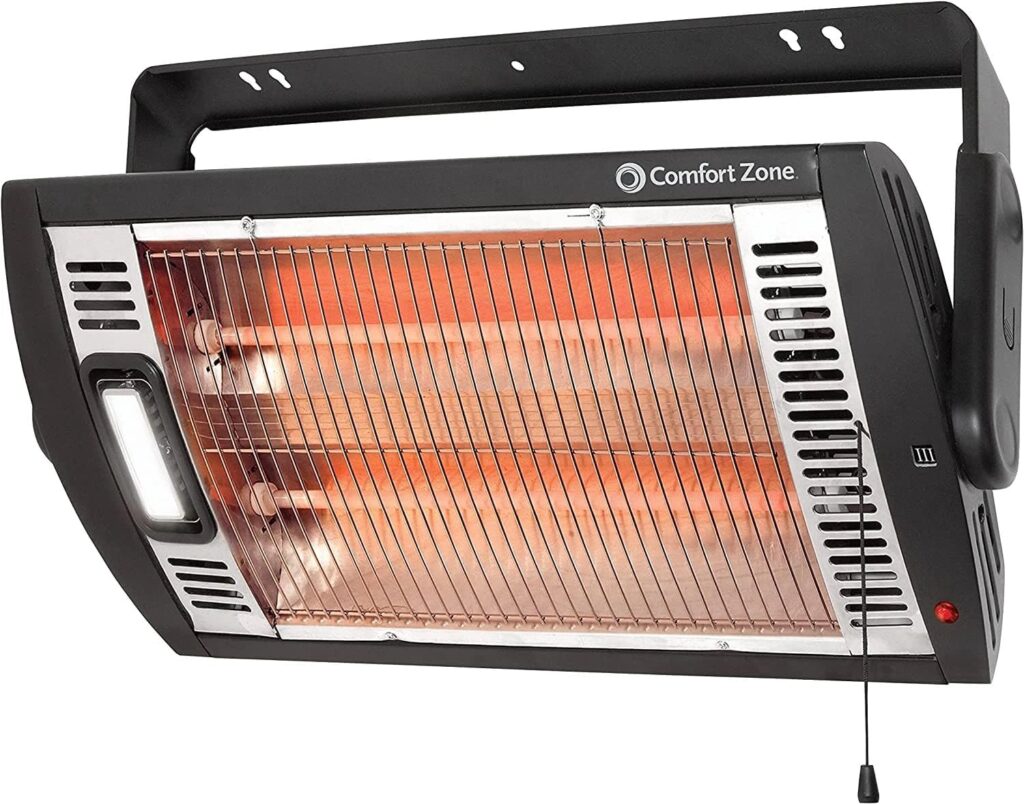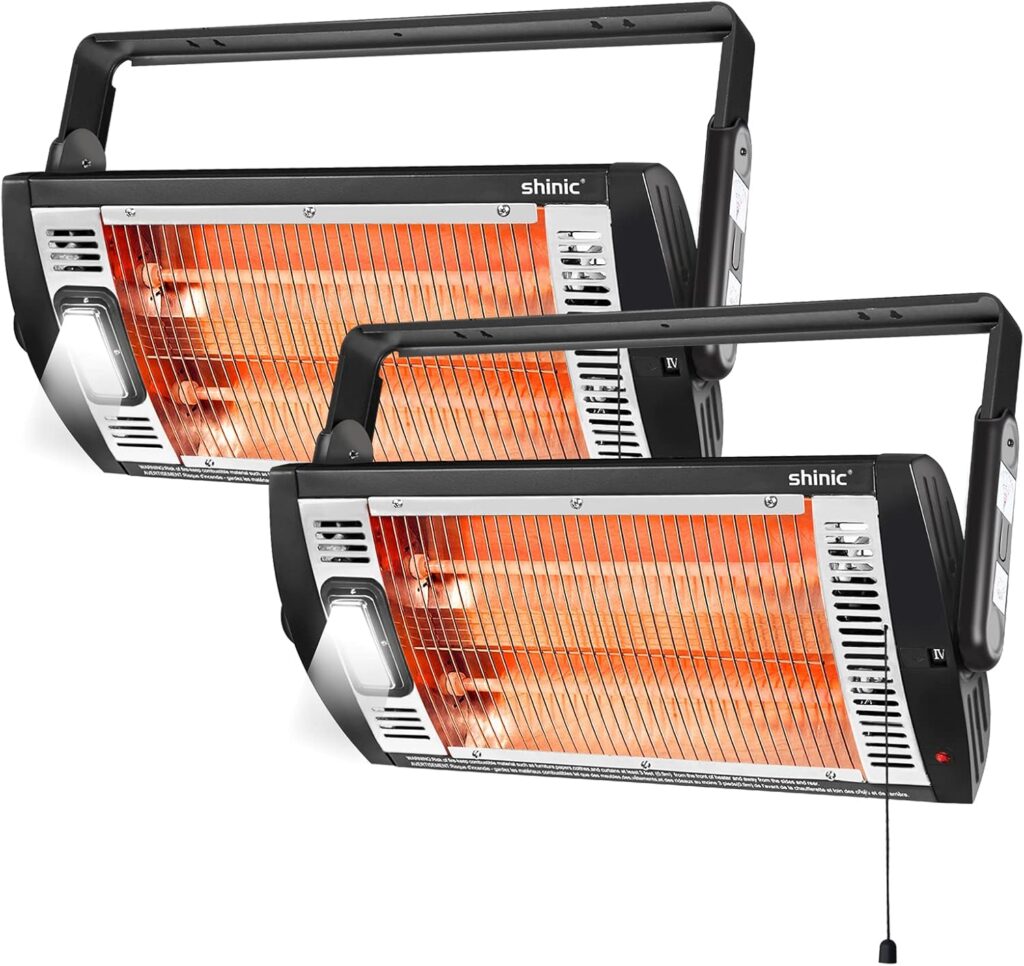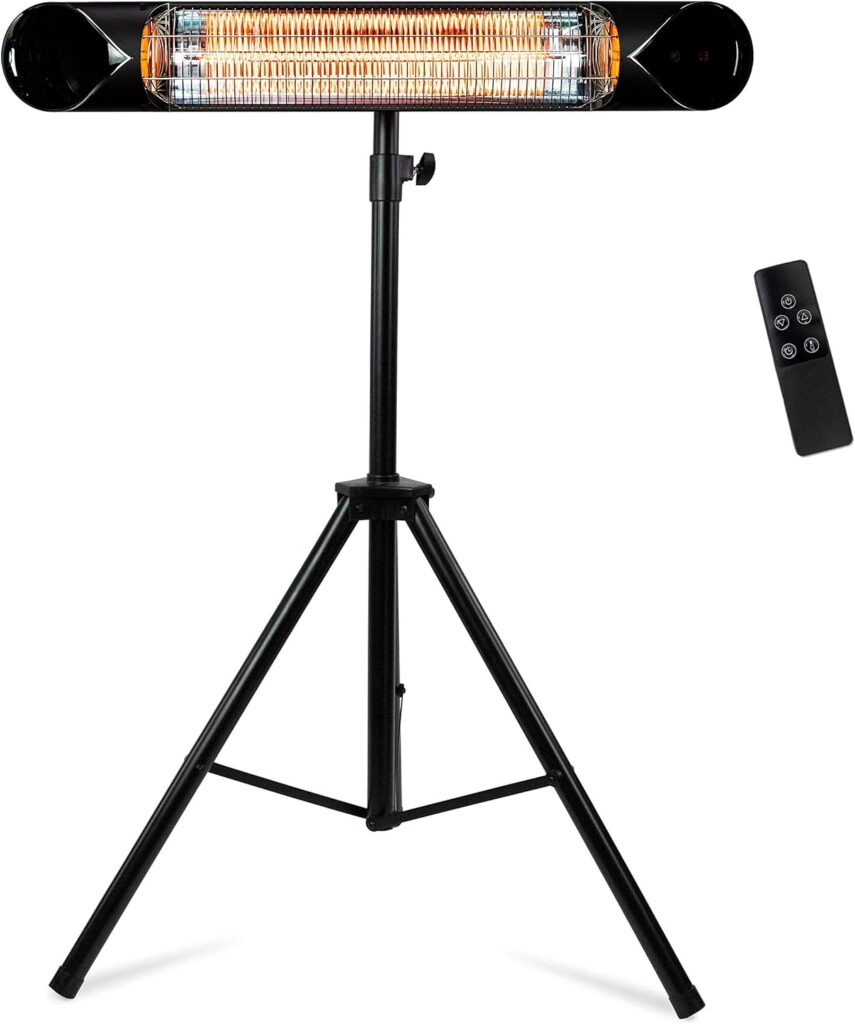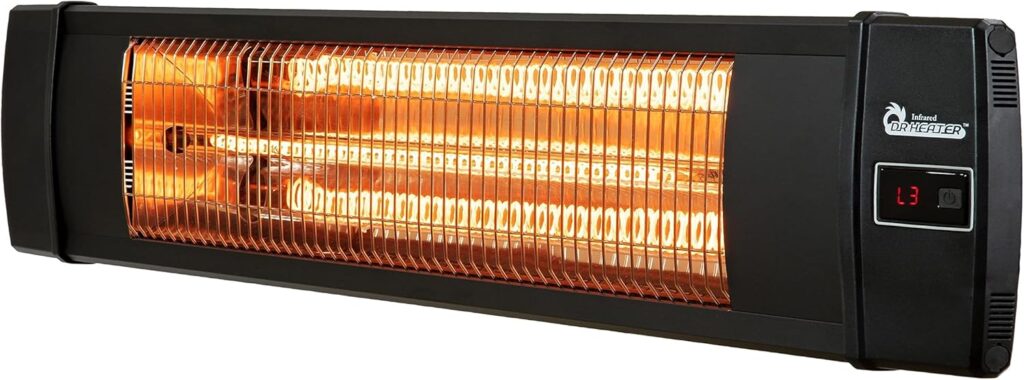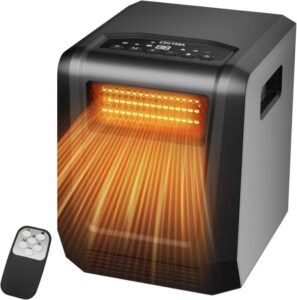
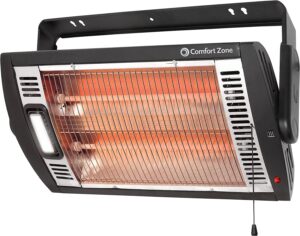
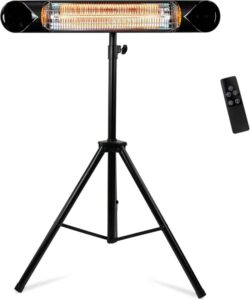
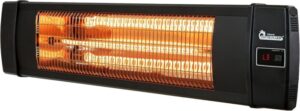
Choosing between quartz vs carbon infrared heaters usually comes down to one simple question: do you want faster, punchier heat or softer, easier-to-live-with radiant warmth?
That’s why this comparison is more interesting than it first looks. On paper, both types can sit in the same general electric infrared category, and many models still top out at similar wattage. But in real life, they don’t always feel the same. Quartz heaters often give you a brighter glow and a more immediate “I can feel it now” effect. Carbon heaters usually lean the other way — a calmer heat feel, quieter day-to-day use, and less visual harshness.
If you’re shopping for a bedroom, garage, workbench, or covered patio, that difference matters more than spec-sheet wording. Here’s how quartz vs carbon infrared heaters actually compare when you’re using them in the real world.
Quick Verdict
| Feature | Quartz Infrared Heaters | Carbon Infrared Heaters |
|---|---|---|
| Best for | Fast spot heating, bench zones, small indoor spaces | Softer zone heat, patios, garage seating areas |
| Heat feel | Strong, direct, punchy | Gentler, smoother, less harsh |
| Warm-up feel | Feels fast | Also fast, but softer |
| Visible glow | Usually brighter orange | Usually softer, lower glare |
| Noise | Depends — some are fan-assisted | Often very quiet in mounted models |
| Main strength | Immediate warmth | Comfort and quiet |
| Main drawback | Can feel harsher and brighter | Often pricier for similar wattage |
At-a-Glance Heat Profile
| Category | Quartz | Carbon |
|---|---|---|
| Direct heat intensity | █████ | ████ |
| Soft comfort feel | ███ | █████ |
| Visible glow | █████ | ███ |
| Quiet-friendliness | ███ | ████ |
| Patio / semi-open use | ███ | ████ |
| Budget-friendliness | ████ | ███ |
Those bars aren’t lab scores — they’re a practical shopping snapshot based on how these heater types usually feel in real use.
What Shoppers Usually Notice First
| First impression | Quartz heaters | Carbon heaters |
|---|---|---|
| Turn-on feel | “That got warm fast.” | “That feels smoother.” |
| Brightness | More obvious glow | Usually less glaring |
| Close-range comfort | More intense | More relaxed |
| Best first reaction | Great for quick warm-up | Great for longer sessions |
Key Differences
1) Heat feel — sharp vs soft
This is the biggest difference, and honestly the one most shoppers care about after a week of use.
Quartz infrared heaters often feel stronger right away. If you’re standing in front of a quartz heater over a workbench or sitting near a tower model, the heat tends to feel more direct and obvious. That’s part of why quartz can be satisfying in colder spaces where you want quick relief.
Carbon infrared heaters still give direct radiant warmth, but the sensation is usually softer. It’s less “blast of heat” and more “steady comfort.” That can make a big difference if you’ll be sitting near the heater for a while instead of just turning it on for a quick warm-up.
2) Glow and visual comfort
Quartz heaters usually produce a brighter visible orange glow. Some people like that because it feels cozy and reassuring. Others find it distracting, especially in bedrooms, TV rooms, or any place where bright heater light becomes part of the room.
Carbon heaters usually look a bit calmer in use. They still glow, but often with less visual harshness. For a covered patio, garage seating area, or even a work zone where you don’t want the heater screaming for attention, carbon often feels easier to live with.
Glow and Light Comparison
| Question | Quartz | Carbon |
|---|---|---|
| More visible orange light? | Yes, usually | Usually less |
| Better if glare bothers you? | Not usually | Usually yes |
| Better for cozy “visible heat” feel? | Yes | Sometimes, but subtler |
3) Noise depends on the heater design
This is where shoppers sometimes get confused. The element type matters, but the heater design matters just as much.
Quartz is often used in indoor tower or compact room heaters, and some of those use fans. That means you can get quicker room circulation, but also more airflow noise. Carbon is common in mounted patio or garage heaters, and many of those don’t use a fan at all. So in practice, carbon setups often feel quieter.
That doesn’t mean quartz is always noisy. A ceiling-mounted quartz heater can be very simple and direct. It just means you shouldn’t judge noise by the element alone — check whether the heater uses a fan, how it’s mounted, and where it’s meant to be used.
4) Best use cases are a little different
Quartz makes a lot of sense when you want fast, obvious warmth in a specific zone. Small rooms, workbench areas, hobby corners, and quick indoor spot heating are where it often shines. If you step into a chilly room and want to feel warmer right away, quartz is appealing.
Carbon usually makes more sense when comfort matters as much as raw urgency. Covered patios, garage lounge zones, and mounted radiant setups are where it often feels strongest. It’s also a nice fit for people who want infrared warmth without as much glare or harshness at close range.
Best Fit by Space
| Space / situation | Better choice | Why |
|---|---|---|
| Small bedroom or office | Quartz or carbon, depending on noise/light sensitivity | Quartz feels quicker, carbon feels calmer |
| Workbench or task zone | Quartz | More immediate heat feel |
| Covered patio | Carbon | Softer radiant comfort, often quieter |
| Garage seating area | Carbon | Easier to sit near for longer periods |
| Quick warm-up indoors | Quartz | Punchier first feel |
| Longer sessions near heater | Carbon | Less harsh up close |
5) Efficiency and lifespan — don’t let marketing oversimplify it
You’ll see a lot of claims saying carbon is far more efficient and lasts dramatically longer. There can be truth behind some of that at the element level, but shopper-facing claims are often presented too neatly.
In the real world, many consumer electric heaters still operate in similar wattage ranges. So your actual running cost depends more on how long the heater stays on, how well it’s aimed, and whether it matches the space. A well-placed quartz heater can feel very efficient because it warms you fast. A comfortable carbon heater can also feel efficient because you’re getting pleasant zone heat without needing a huge whole-room push.
The same goes for lifespan. Design quality, mounting, controls, exposure to moisture, and general build matter a lot — not just whether the element is quartz or carbon.
Real-World Decision Chart
| If you want… | Pick… |
|---|---|
| Faster “I feel it now” warmth | Quartz |
| Less visual glare | Carbon |
| A calmer heater for longer sit-near use | Carbon |
| A budget-friendly direct heater | Quartz |
| A patio or garage comfort heater | Carbon |
| A heater for a specific indoor work zone | Quartz |
Which Should You Buy?
Choose quartz infrared heaters if you want direct, fast-feeling warmth and don’t mind a brighter glow. They’re a strong fit for workbench areas, smaller rooms, and situations where quick comfort matters more than a super refined heat feel. If you want straightforward spot heating and better odds of finding a lower-priced model, quartz usually makes more sense.
Go with carbon infrared heaters if you care more about comfort, quieter everyday use, and a softer radiant feel. They’re often the better choice for covered patios, garage seating spaces, and buyers who don’t want the heater to feel too intense at close range. Carbon can also be the nicer pick if glare bothers you.
If you’re torn, use this tie-breaker: quartz for faster, brighter, more direct heat — carbon for softer, calmer, more comfortable zone heating.