Finding the best infrared space heaters for indoor use sounds easy until you start comparing real products. One model looks great for bedrooms but ends up too noisy. Another feels cozy in a living room, but takes up more floor space than you expected. Then there’s the usual confusion around “infrared” itself — some heaters feel like gentle room comfort, while others behave more like targeted warmth aimed straight at you.
That’s why this guide focuses on a smaller, more useful group: indoor cabinet and tower picks that cover the main reasons people buy infrared heaters in the first place. Maybe you want a calmer heater for a living room. Maybe you want faster warmth in a small bedroom. Or maybe you like the Dr. Infrared style but want to know which version makes the most sense before buying.
The good news is this category can work really well when your expectations match the room. A plug-in heater won’t turn a cold open-plan house into a sauna. What it can do is make the room you’re actually using feel much more comfortable — and often with a softer, less harsh feel than a typical ceramic fan heater.
| Heater | Best For | Heat Feel | Noise Feel | Footprint | Main Trade-Off |
|---|---|---|---|---|---|
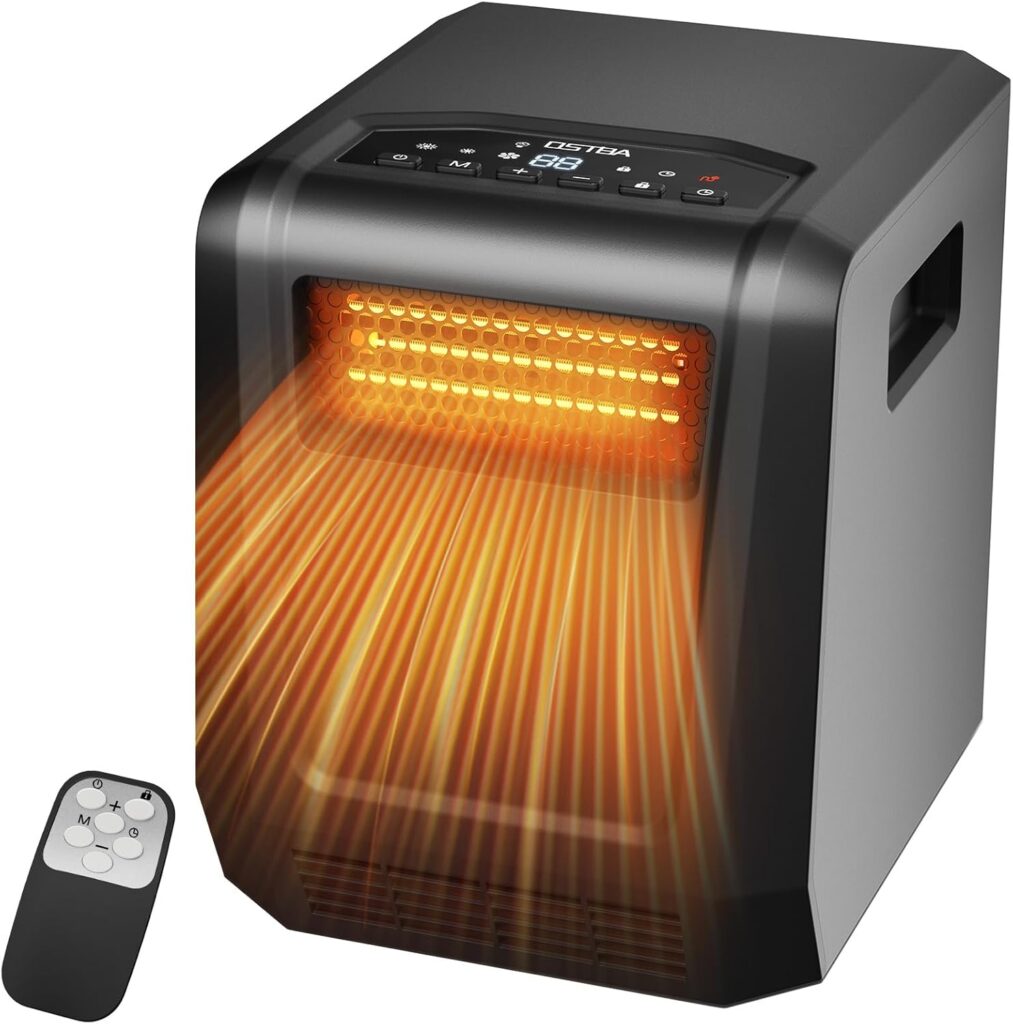
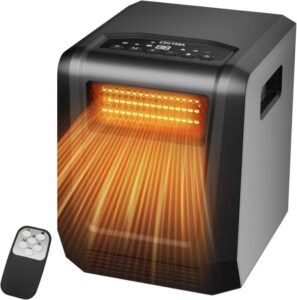
| OSTBA Infrared Cabinet Heater | Living rooms, everyday comfort | Soft, room-friendly | Usually calmer | Large cabinet | Boxy and takes more floor space |
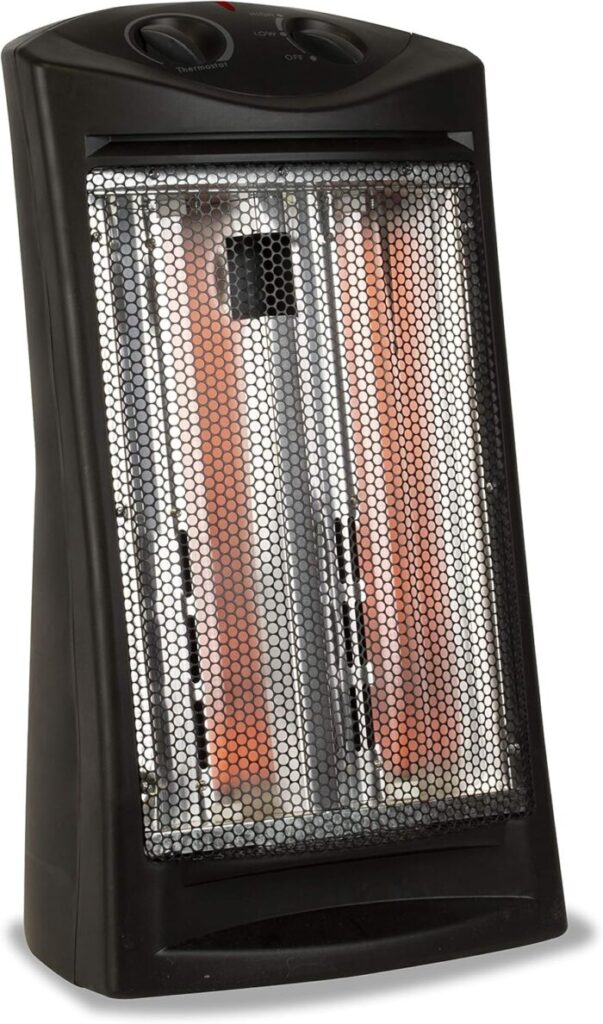
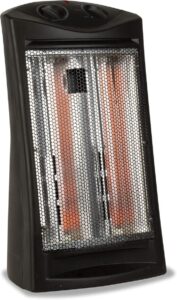
| BLACK+DECKER Quartz Tower | Small rooms, quick personal warmth | More direct | More noticeable | Slim tower | Fan noise matters more |
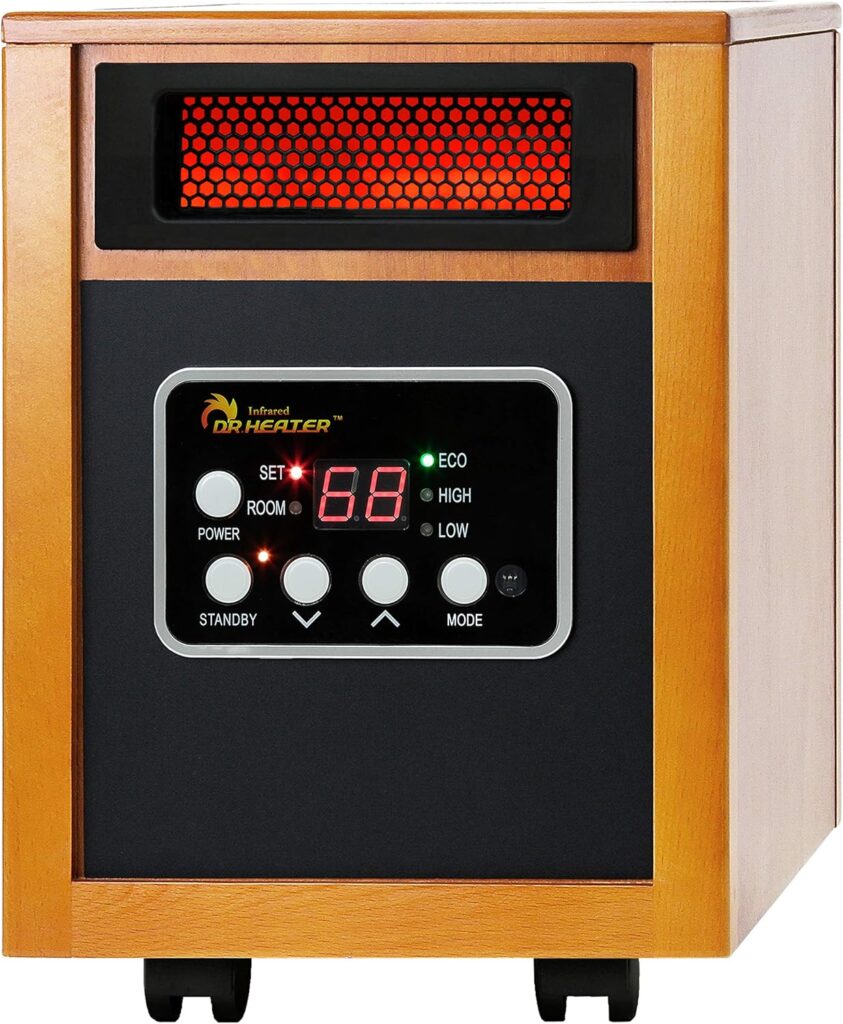
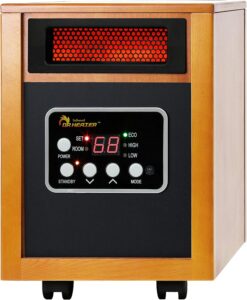
| DR. INFRARED HEATER DR-968 | Balanced whole-room comfort | Steady and substantial | Quiet for the category | Bulky cabinet | Not ideal if you want a small heater |
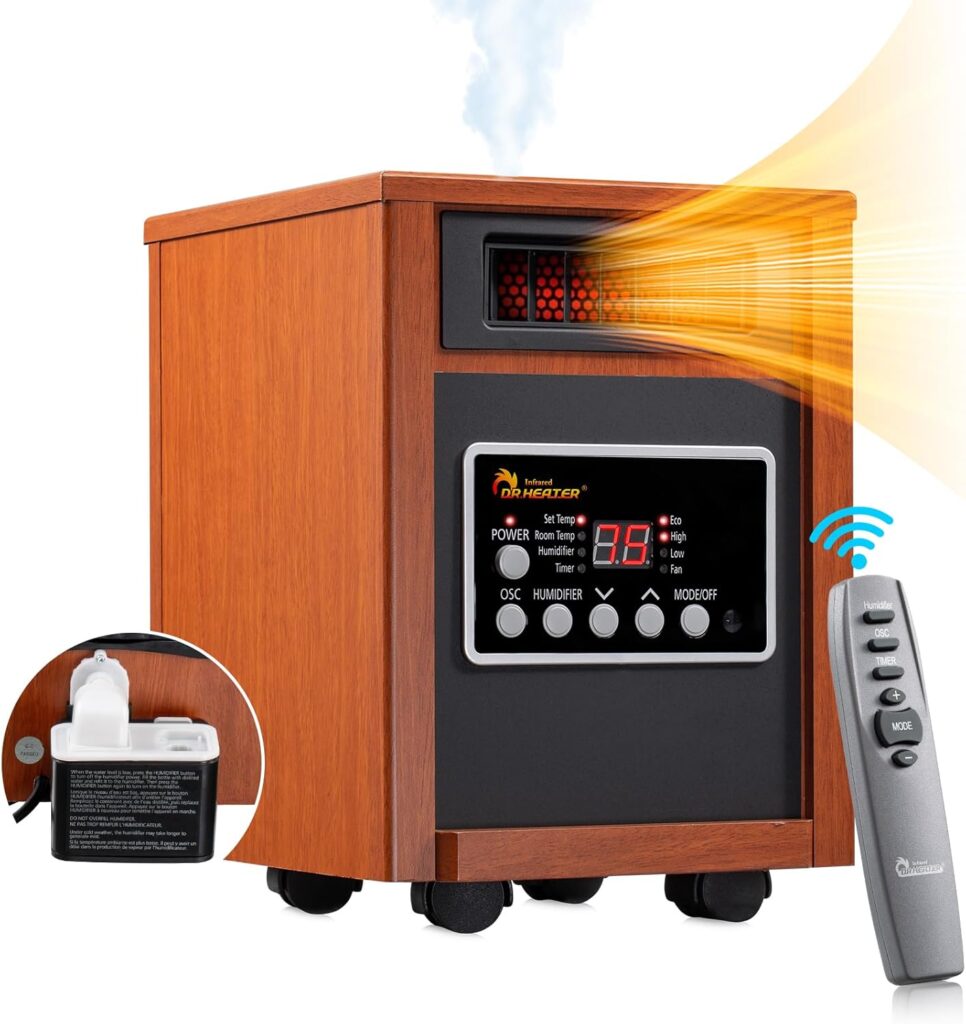
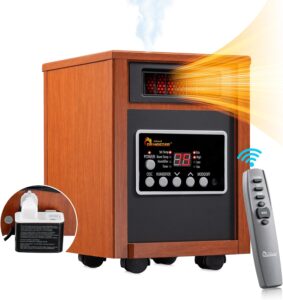
| DR. INFRARED HEATER DR-998 | Value-minded cabinet buyers | Strong, comfortable | Usually easy to live with | Medium-large cabinet | Check dimensions before buying |
Why These Picks Work
We focused on heaters that make sense in real rooms, not just on paper. That meant looking at the stuff that actually changes your day-to-day experience: cabinet vs tower shape, how the warmth feels in a bedroom or living room, whether the heater seems easy to live with, and whether the drawbacks are small annoyances or real deal-breakers. Price matters too, but only if the heater still fits the room and the way you’ll use it.
Visual Comparison — Cabinet vs Tower
| Feature | Cabinet Infrared Heater | Tower Infrared Heater |
|---|---|---|
| Best room type | Living room, larger bedroom, den | Small bedroom, office, apartment corner |
| Heat style | Steadier, room-friendlier | Faster, more direct |
| Noise feel | Usually calmer | Usually more noticeable |
| Floor space | More | Less |
| Easy to hide | No | More or less |
| Best for overnight comfort | Usually yes | Sometimes, depending on noise tolerance |
| Best for quick “I’m cold right now” heat | Good | Better |
Which Heater Fits Your Room?
| Your Room / Situation | Best Match |
|---|---|
| Small bedroom with limited floor space | BLACK+DECKER Tower |
| Living room where you want comfortable background warmth | OSTBA or DR-968 |
| Medium bedroom where noise matters | DR-968 or DR-998 |
| Home office where you want direct warmth near your desk | BLACK+DECKER Tower |
| You want a cabinet heater without jumping straight to the main anchor pick | DR-998 |
| You want the safest-looking “known quantity” cabinet pick from this group | DR-968 |
What to Consider Before You Buy
1) Room size matters — but layout matters just as much
A lot of people shop by square-foot claims, but room layout changes everything. A closed bedroom with average insulation is a much easier job than a big living room with drafts, tall ceilings, and open walkways. That’s why two heaters with the same 1500W rating can feel very different in real use.
If your room is compact, a tower can work well because it gets heat where you need it quickly. In a living room or medium bedroom, cabinet models usually feel more convincing because the warmth is less narrow and less “hair dryer pointed at one part of the room.”
2) Infrared heat feels different — but it’s not magic
People often buy infrared because they want heat that feels less harsh than some ceramic fan heaters. That’s fair. Infrared models can feel more comfortable, especially when you’re sitting nearby for long periods. They often give that “cozier” vibe people want in a bedroom or living room.
Still, don’t confuse better comfort with unlimited heating power. A standard plug-in heater still tops out around the same general output as other 1500W heaters. The difference is more about heat feel, room fit, and how pleasant the heater is to live with.
3) Noise is a bigger deal than most product pages admit
This is one of the easiest ways to end up with buyer’s remorse. A heater can be “quiet enough” in a hallway test and still annoy you when you’re trying to work, watch TV, or sleep. Cabinet-style infrared heaters usually have the edge if you care about calmer long-session use.
Towers aren’t automatically loud, but they’re more likely to sound active because they often rely on a stronger direct-heat feel. If the heater is going in a bedroom, that trade-off matters.
4) Don’t ignore the footprint
A cabinet heater is often the more comfortable pick — but it’s also the easier one to underestimate. Measure the spot before you buy, especially if the heater will live near a bed, couch, or walkway. A slim tower is usually easier to place, but that doesn’t automatically make it the better heater.
Here’s the better way to think about it:
- Choose cabinet if comfort and quieter long use matter more
- Choose tower if space-saving and quick direct warmth matter more
5) Safety basics still matter every time
Even the best infrared space heaters should be treated like high-draw appliances, because that’s exactly what they are. Keep the heater on the floor, plug it straight into a wall outlet, and keep bedding, curtains, and clutter well away from it. Don’t use an extension cord or a power strip. And don’t squeeze a heater into a corner just because the room is small.
Running Cost Snapshot
Every standard plug-in heater in this group is basically working from the same upper power limit. So instead of chasing miracle “efficiency” claims, it’s smarter to understand the rough math.
Estimated running cost on high
| Electricity Rate | 1 Hour at 1500W | 4 Hours at 1500W | 8 Hours at 1500W |
|---|---|---|---|
| $0.15/kWh | $0.23 | $0.90 | $1.80 |
| $0.20/kWh | $0.30 | $1.20 | $2.40 |
| $0.25/kWh | $0.38 | $1.50 | $3.00 |
Simple formula:1.5 kW × your electricity rate × hours used
That’s why the real savings usually come from zone heating — warming the room you’re using instead of pushing your whole-home thermostat higher.
Practical Buyer Scenarios
If you want the coziest living-room pick
Go with OSTBA or DR-968. Both make more sense than a slim tower when you’re spending long evenings on a couch and want the room to feel generally more comfortable.
If you want the fastest payoff in a small bedroom
Go with the BLACK+DECKER tower. It’s the easiest fit when the room is small and you want heat that feels immediate.
If you want the safest-feeling “default good choice”
Pick the DR-968. It’s the anchor for a reason — it’s the easiest model here to recommend without loading the recommendation with too many caveats.
If you want a cabinet heater but care about value
Pick the DR-998. It gives you that cabinet-style comfort without forcing you into the most obvious flagship pick.