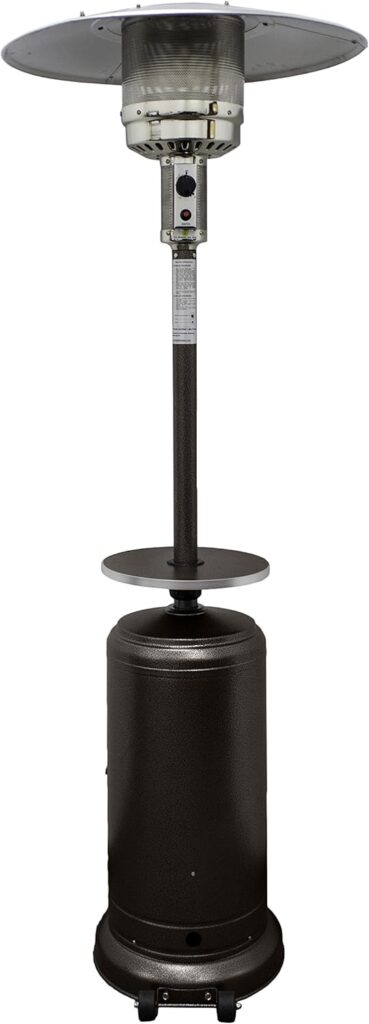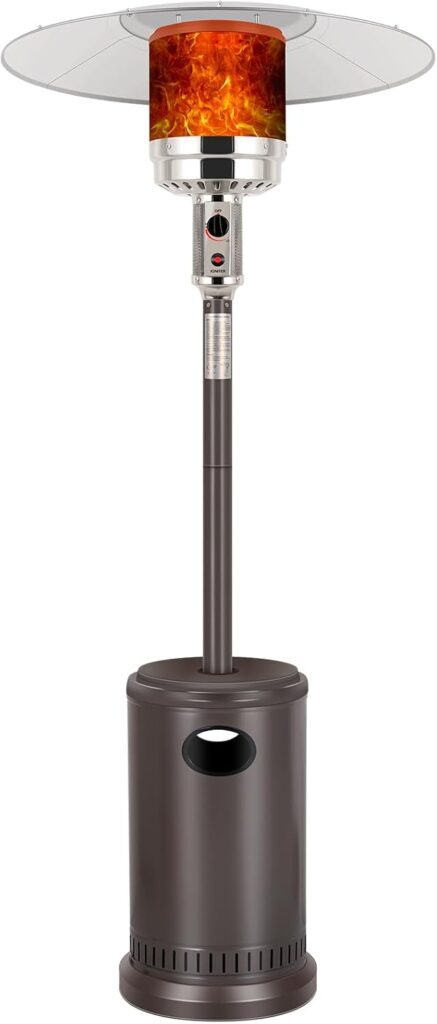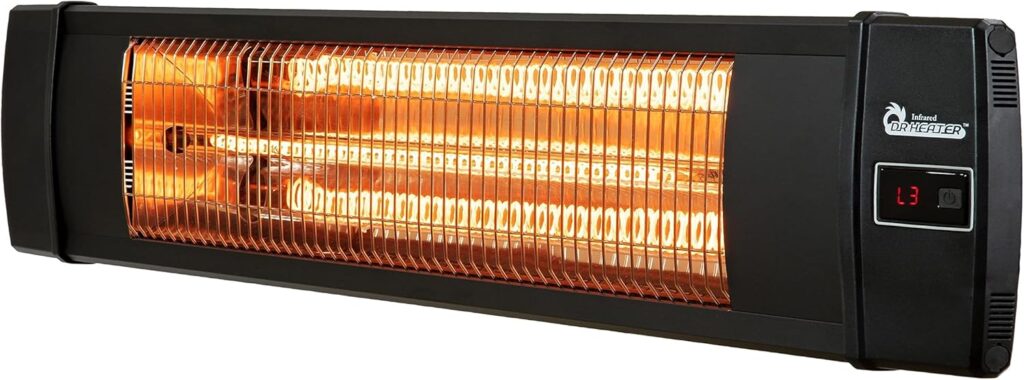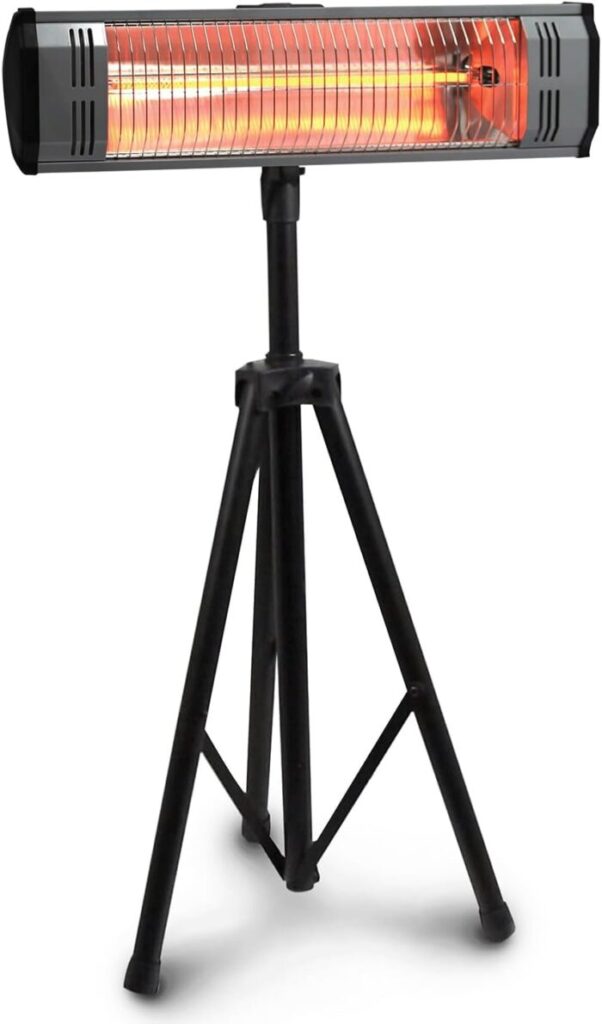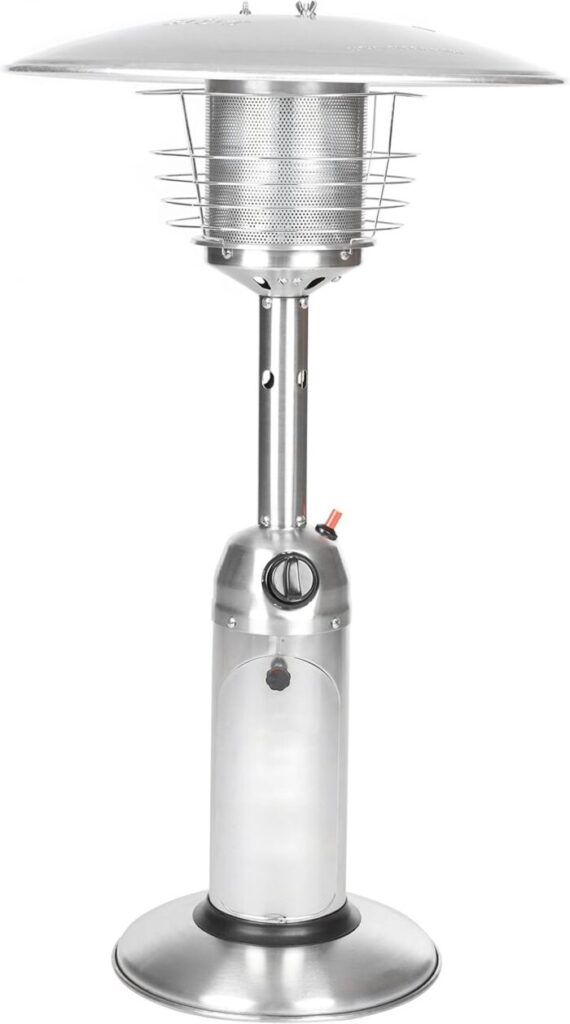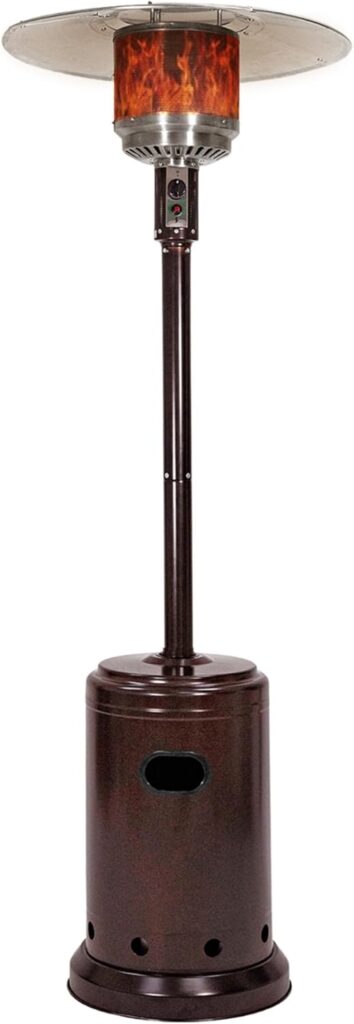
Wind is the ultimate patio heater bully. You’ll fire a heater up, feel great for five minutes… then a breeze slides through and your “warm zone” turns into a lukewarm disappointment.
That’s why windy-patio shopping feels weirdly frustrating. The heater with the prettiest flame often isn’t the one that keeps people comfortable. And the “highest BTU” model isn’t always the warmest if the heat is escaping upward or getting blown off-course.
This guide is built for real patios — the ones with gusts, shifting seating, and nights where you don’t want to keep moving chairs like you’re playing musical furniture. Below are picks that handle wind better, plus a couple of “wind-proof by design” infrared options for covered setups.
How We Chose These Heaters
We focused on heaters that make sense when breezes keep stealing warmth — not just models that look good in perfect, calm conditions. For propane, that means designs that push radiant heat downward and keep people comfortable at normal “hangout distance.” For electric, we leaned into infrared options, because radiant heat warms people and surfaces directly instead of trying to heat air that’s getting blown away. We also considered the stuff owners always mention after the first few nights: stability, ease of moving it with wind direction, ignition quirks, and whether the price feels fair for what you’re getting.
What to Consider When Buying (Windy-Patio Edition)
Open patio vs covered patio changes everything
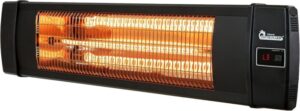
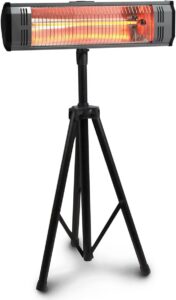
If your patio has a roof or pergola, infrared heaters (wall/ceiling/tripod) are often the most satisfying “wind-proof” option. On a fully open patio, propane towers usually win because they put out more total heat and don’t rely on an outlet.
In wind, heat pattern matters as much as BTUs
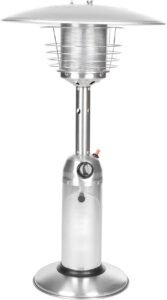
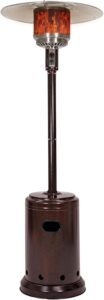
A mushroom-top propane heater tends to feel warmer at normal seating distances because the reflector pushes heat down into the group. Tall glass-tube “flame feature” designs can look amazing, but wind can make them feel more like ambiance than comfort unless you’re fairly close.
Placement beats specs
On windy nights, treat your heater like a campfire: set seating where the heat can “collect” a bit. Put the heater slightly upwind of the group so the breeze carries warmth toward people instead of away. Even moving it 2–3 feet can change how warm it feels.
Stability and safety aren’t optional outdoors
Wind and tall heaters are a risky combo if the base isn’t weighted. Look for tip-over shutoff, a solid base, and a setup that doesn’t wobble when you roll it. Keep clearance from umbrellas, overhangs, and anything flammable — especially with propane.
Be realistic about “range”
Most patio heaters are best within a few feet. Wind shrinks the comfort zone fast, so plan for zone heat (one seating area) instead of trying to warm the entire patio.