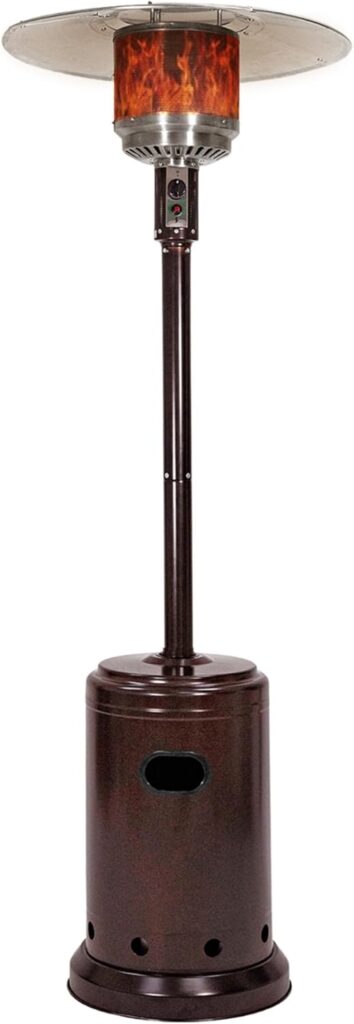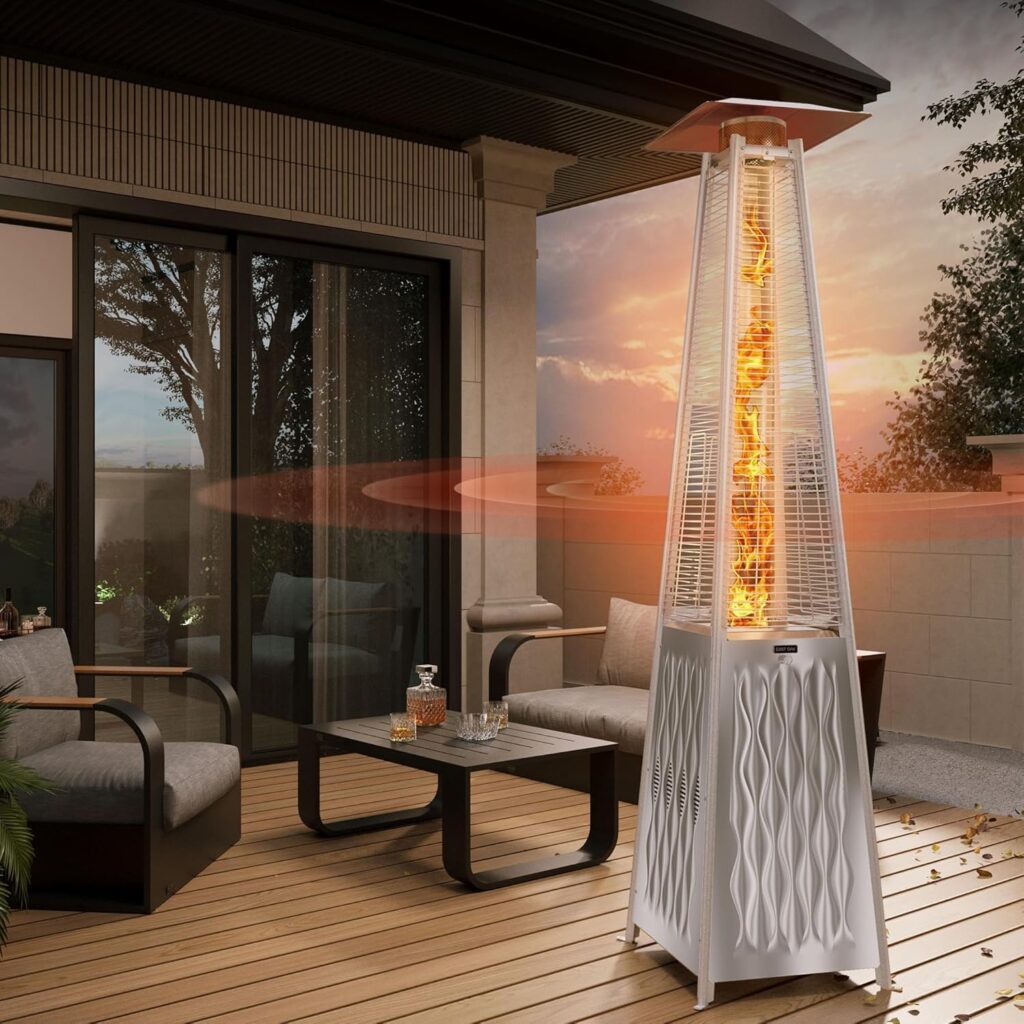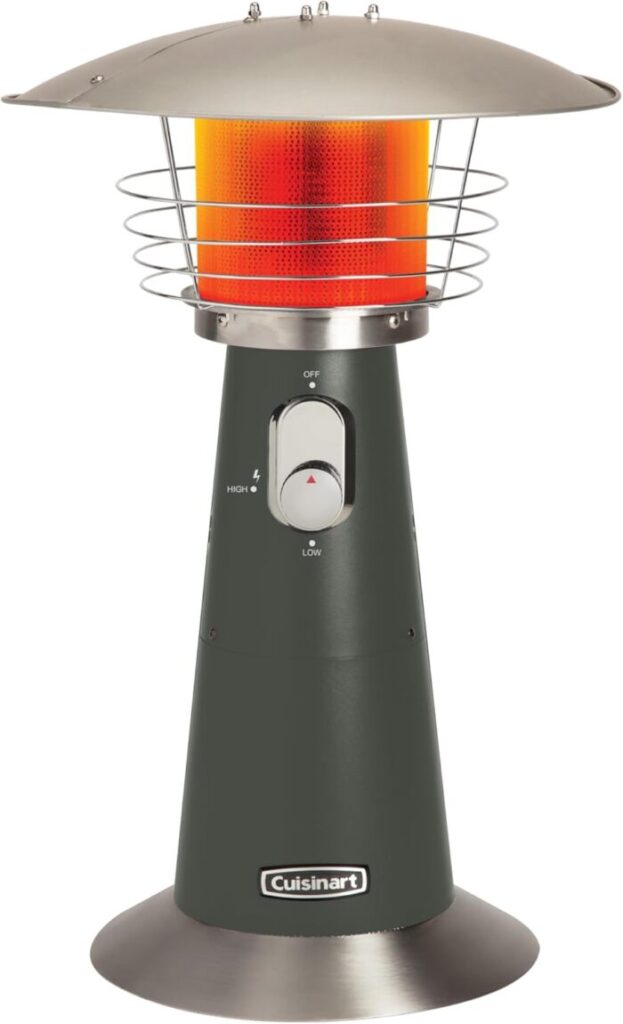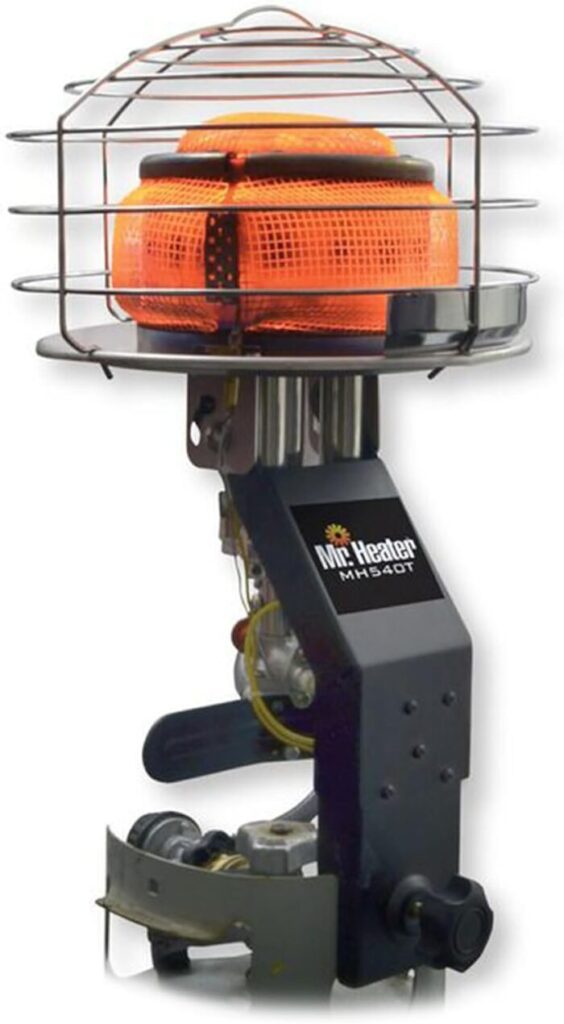
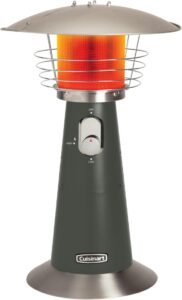
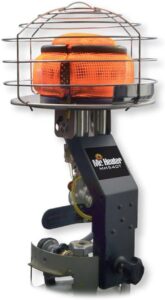
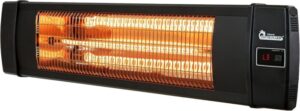
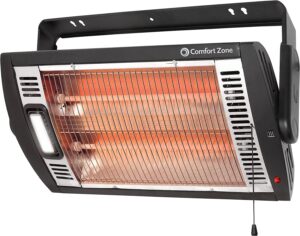
Patio season doesn’t have to end when the sun starts going down earlier. The right heater can turn a “maybe we’ll head in” night into another hour of hanging out — with warm hands, warm knees, and happy guests.
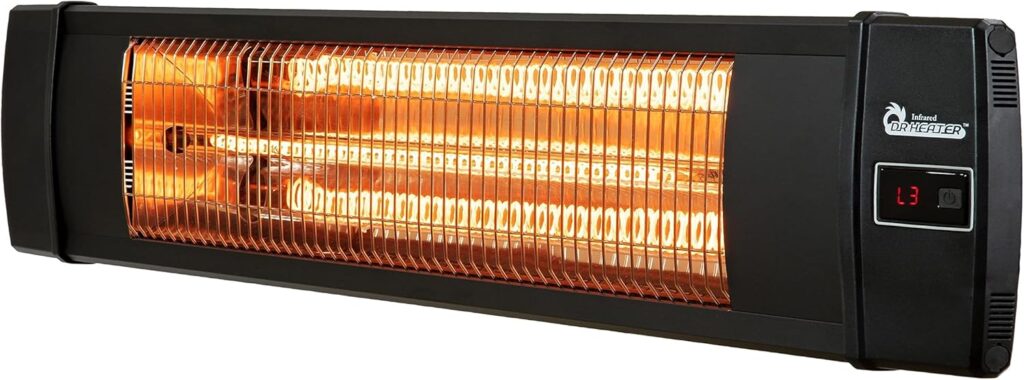
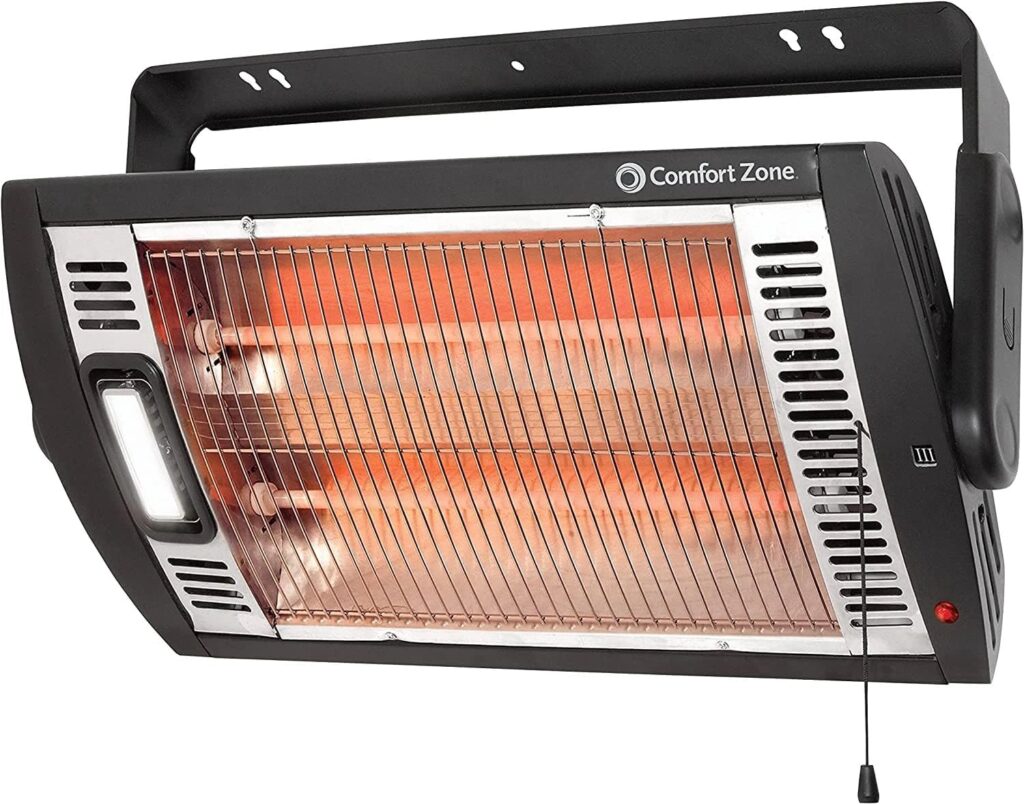
Here’s the catch: propane and electric heaters feel different. Propane freestanding models create that familiar outdoor “halo” of warmth (plus real-flame vibes on some styles). Electric infrared models feel more like sunshine — a focused beam that warms people and surfaces, not the air between you and the heater.
What most people get wrong? Expecting one unit to heat the whole yard. In real life, the best patio heaters are zone heaters. You’re building a comfort bubble around seating — not changing the weather. Once you plan around layout, wind, and power access, choosing the best propane patio heater vs the best electric patio heater gets a whole lot easier.
Quick comparison: Propane vs Electric
Heat feel (radiant vs “halo”)
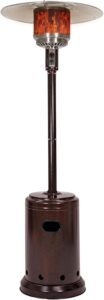
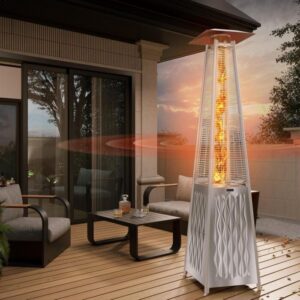
- Propane (mushroom/pyramid/tabletop): A wider “halo” around the heater, strongest when you’re relatively close and not fighting wind.
- Electric infrared patio heater: A more directional “sunbeam” — you feel it fast when it’s aimed right at people.
Convenience (fuel vs plug-in)
- Propane: Totally portable, but you’ll deal with tanks and lighting/ignition.
- Electric: Plug-in simplicity, but placement depends on outlets (and safe cord routing).
Best use cases
- Propane: Open patios, places where you can’t (or don’t want to) run power, and when you want that classic freestanding heater vibe.
- Electric: Covered patios, windy decks, smaller patios, and households that want no open flame.
How we picked
We focused on real-world ownership themes that come up again and again: how annoying assembly is, whether the heater feels stable in everyday use, how it holds up to breezes, and whether the controls are simple enough that you’ll actually use it on a random Tuesday.
Safety mattered, too — tip-over protection, sensible placement, and designs that make it easier to keep hot surfaces away from traffic paths, kids, and pets.
Buying guide:
Measure your “heated zone”
Don’t measure the whole patio. Measure where people sit — loveseat + chairs, dining table, or bar seating. Then pick a heater style that matches that footprint.
Clearance & overhead cover considerations
- Propane: Needs open airflow and safe clearance from overhead structures.
- Electric: Still needs clearance (the face gets hot), but it’s often a better fit for covered patios when rated for that use.
Fuel + refills (propane)
If you go propane, plan the boring stuff: where you store tanks, how easy refills are, and whether you want a spare so a night doesn’t end early.
Power + cords (electric) and GFCI outlets
Use outdoor-rated setups. A GFCI outlet is your friend, and cords should be routed so nobody trips — especially when lighting is low.
Tip-over, base weighting, and kid/pet households
Tip-over prevention isn’t optional. Choose stable designs, place heaters out of traffic paths, and keep hot surfaces out of reach whenever you can.