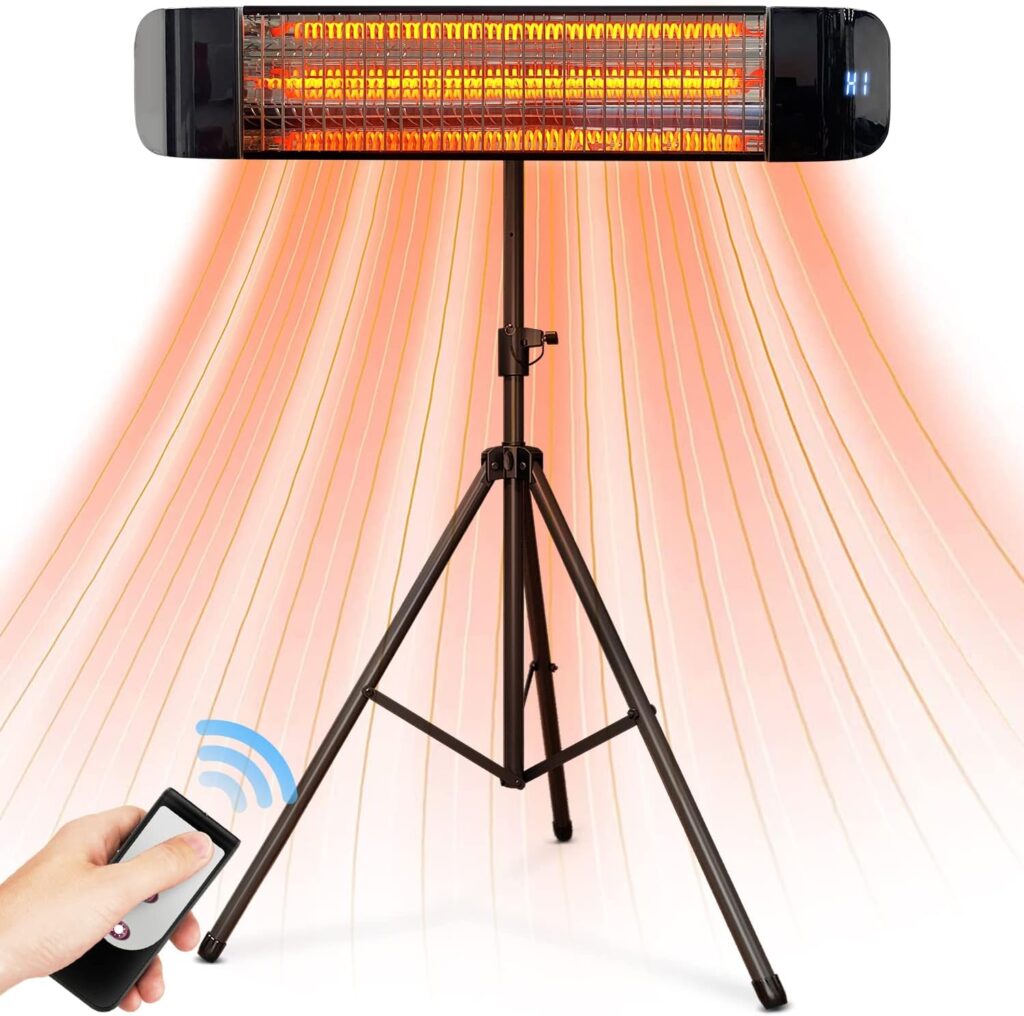
Finding the best wall-mounted infrared heaters sounds easy until you actually start comparing them. This category is full of overlap — some models are true wall bars, some can also hang from the ceiling, and some are really patio heaters that just happen to work well in garages and workshops too. That means the wrong pick can leave you with a heater that looks good on paper but does not match your space at all.
The Comfort Zone CZQTV5M is excluded from this wall-mount shortlist: its manual permits ceiling mounting only and excludes outdoor use. An indoor ceiling heater is not a substitute for a wall-mounted patio model. Assess the remaining candidate against its own exact installation instructions.
Quick comparison
| Heater | Best for | Mounting options | Heat settings | Weather rating | Controls | What stands out |
|---|---|---|---|---|---|---|
| Paraheeter QHA-15DB | 900/1500W documented; full supplied mounting instructions required. No verified coverage, IP65 or certification guarantee. | |||||
How We Chose These Heaters
I focused on heaters that make sense in real mounted-heater situations, not just products with broad marketing claims. That meant looking at mounting flexibility, outdoor-readiness, control convenience once the heater is installed high up, and whether the design clearly fits spot heating instead of pretending to be whole-room magic. Safety basics mattered too — things like overheat protection, tip-over shutoff on tripod setups, certification, and sensible placement guidance.
What to Consider When Buying
1) True wall-mounted heater or mounted spot heater?
Briza is withheld from this mounted shortlist because its original exact-model installation instructions have not been verified. Its advertised hardware, remote and timer do not establish suitability for a specific wall or ceiling location.
If you want clean-looking indoor room heat, these are not all equal. If you want targeted warmth where you stand, sit, or work, they make much more sense.
2) Mounting flexibility matters more than the brochure makes it sound
Wall mounting is great when you already know exactly where the heat needs to land. Ceiling mounting is often better in garages and workshops because the heater stays out of the way and can aim down at your main work area. A tripod is valuable when you are still testing the layout or want one heater to cover more than one job over time.
3) Controls get a lot more important once the heater is mounted high
That usually comes down to personality. Some people want simple and durable. Others want less ladder-climbing and less reaching.
4) Safety and placement are not optional details
Use the exact QHA-15DB instructions for installation. The checked document does not establish a complete tripod procedure, and its clearance wording should not be replaced by a generic rule. Resolve the supplied configuration with the manufacturer before installing.
Mounted heaters can feel safer because they are off the floor, but that does not remove fire risk. It just changes where the risk sits — walls, curtains, stored boxes, overhead clearance, and cords all matter more.
5) Running costs — a quick reality check
You are not buying huge efficiency differences here. The remaining candidates are electric infrared heaters in roughly the same output class, so the bigger differences are placement, control, and weather suitability — not miracle savings. Still, variable settings do matter because lower output can be enough when you are heating one person or one bench zone instead of a whole area.