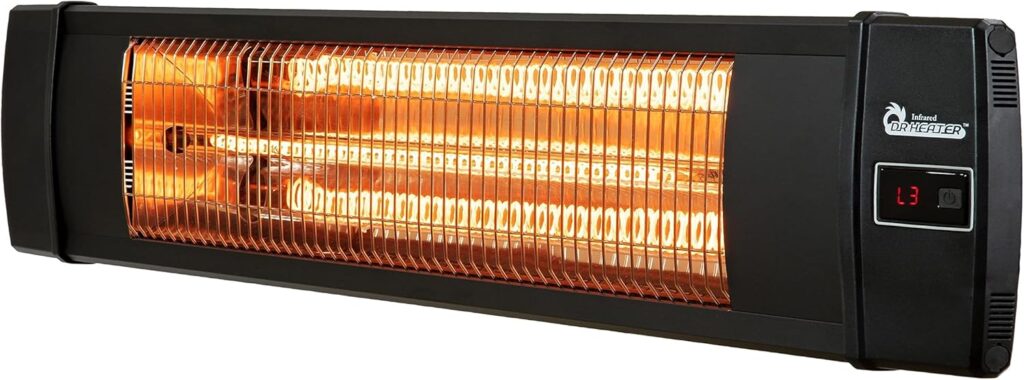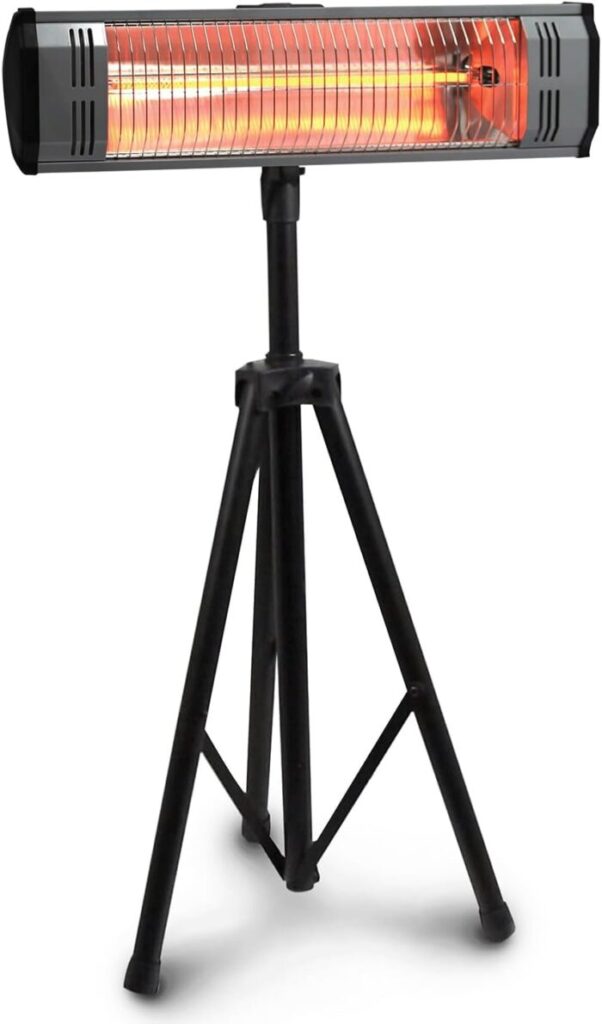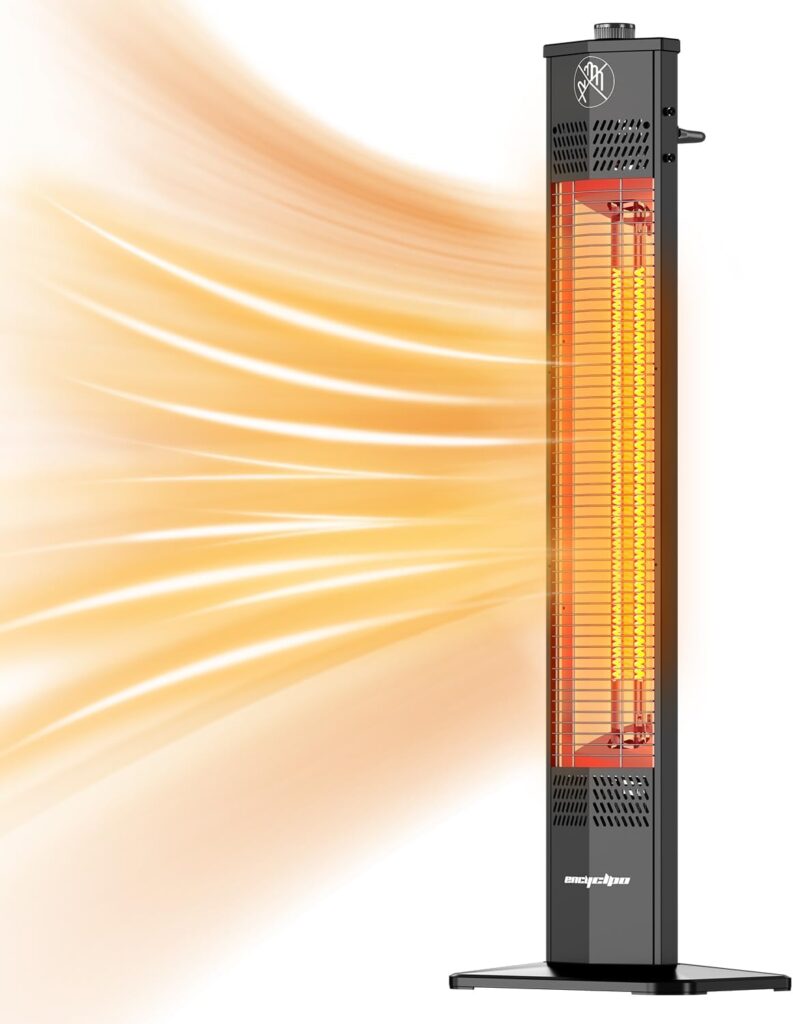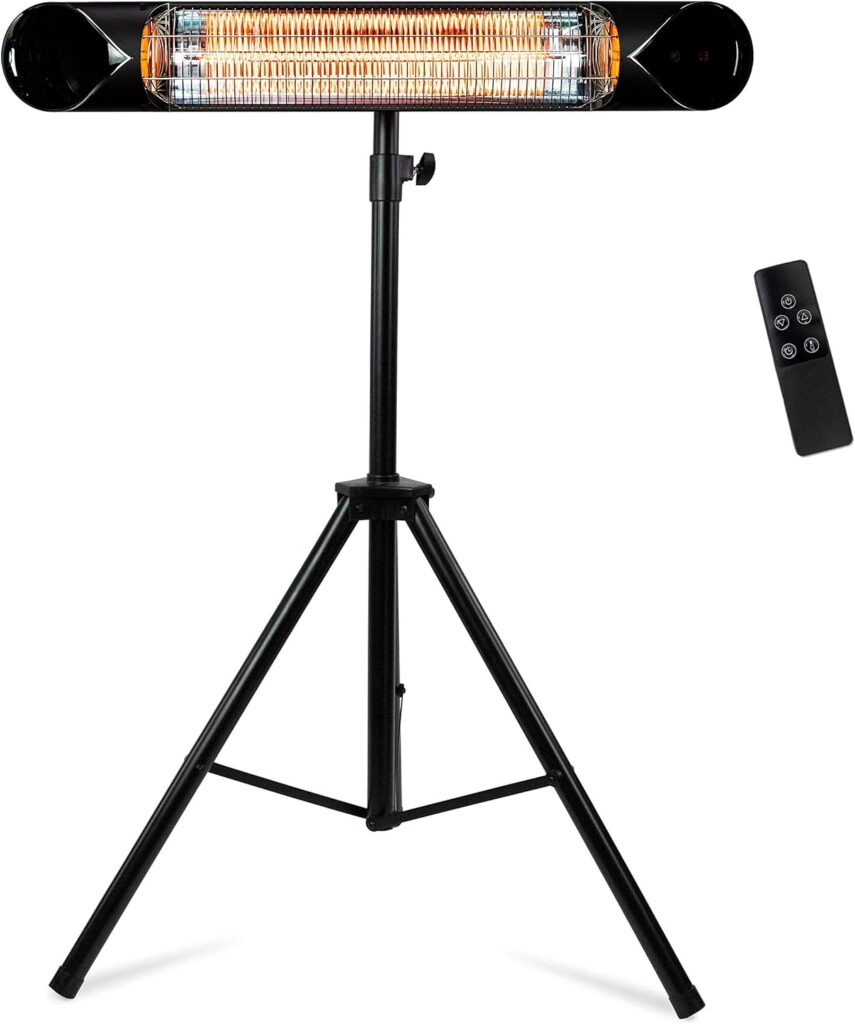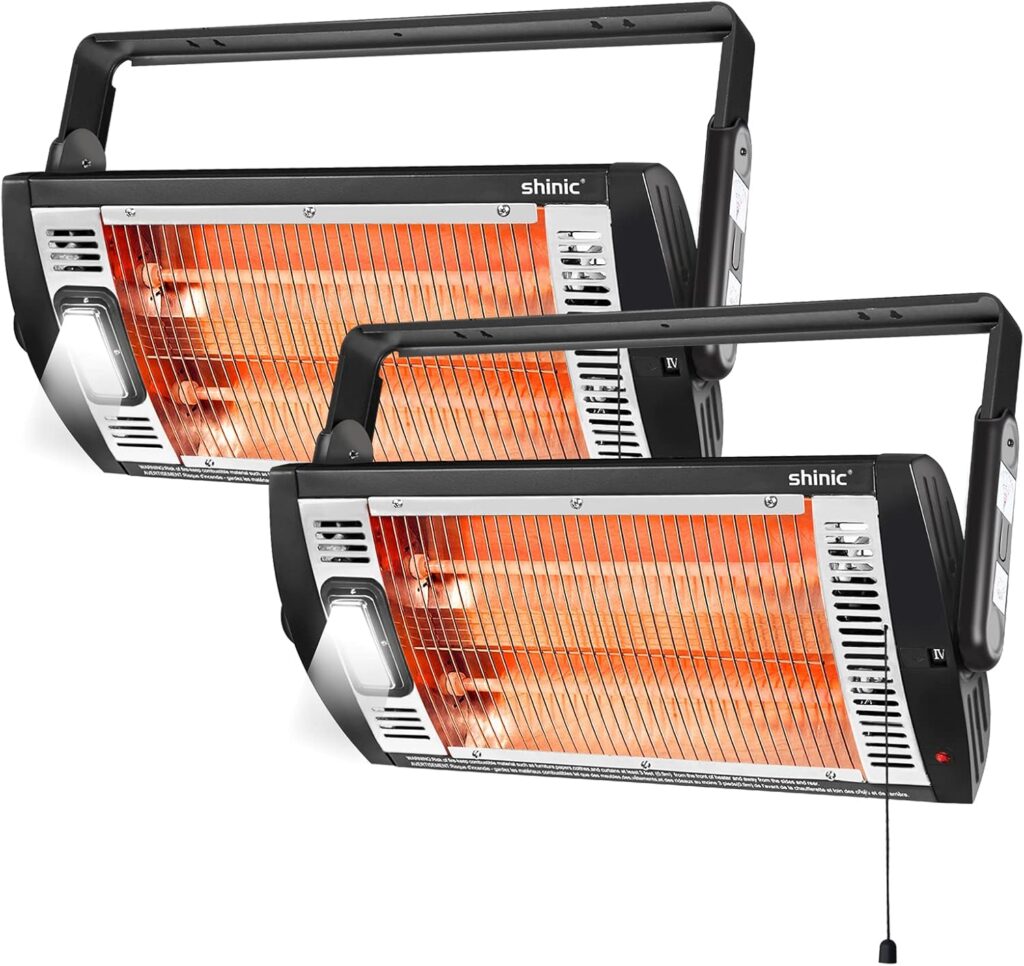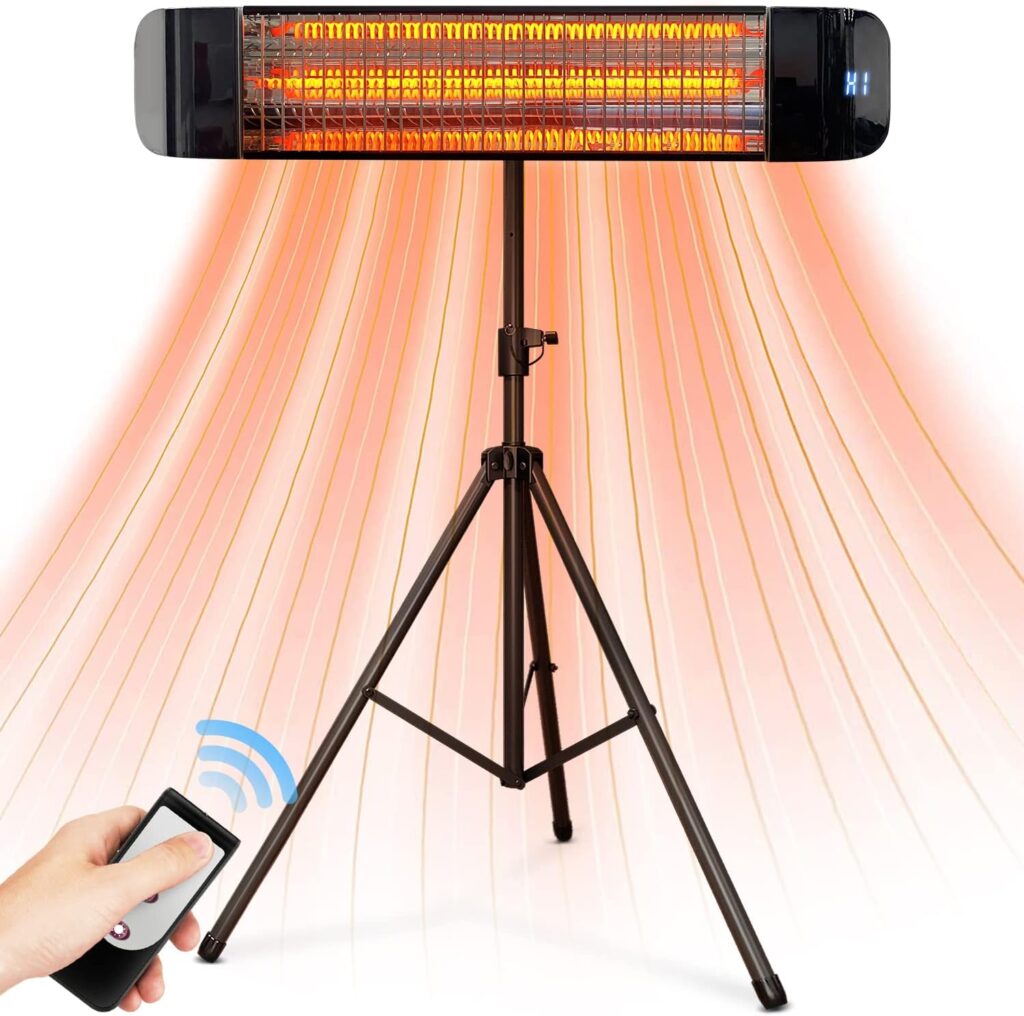
If you’ve ever bought a “powerful” heater and still felt cold, you’re not alone. With infrared, the heat can be awesome — but only if the heater is aimed right and installed in a way that matches how you actually use the space.
That’s where the freestanding vs wall-mounted decision gets tricky. A wall-mount can feel clean, safe, and “always ready,” but it’s a commitment. A freestanding heater is flexible and easy to aim — but it can also eat floor space, create cord clutter, or get bumped in a busy garage.
This guide keeps it simple: which style makes more sense for your patio, garage, shop, or indoor room — and which specific heaters are worth your time (and which trade-offs to expect).
How We Chose These Heaters
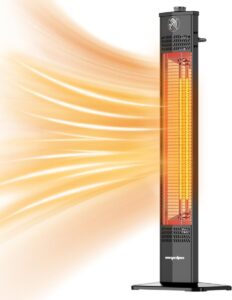
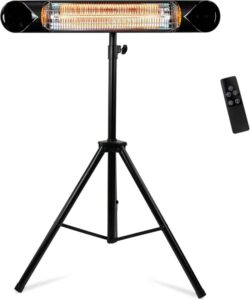
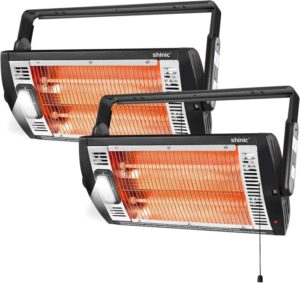
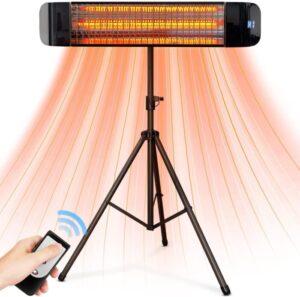
We picked electric infrared heaters that make sense in real spaces — garages, covered patios, workshops, and everyday rooms — not just “looks good on paper.” The big factors were practical heat delivery (does it warm you where you are?), form factor (wall, ceiling, tripod, tower, portable), everyday usability (noise, cords, aiming, footprint), and safety basics like stable placement and sensible use in family or pet areas. We also focused on variety so you can choose based on how permanent you want the setup to be.
What to Consider When Buying
Wall-mount vs freestanding: which fits your life?
Ask yourself one question: Do you want the heat to follow you, or stay put?
- If you want a heater that’s always ready for the same spot (sofa area, workbench, covered patio seating), wall or ceiling mount usually wins.
- If your “warm spot” changes — one day it’s the garage, next day it’s the patio, next day it’s your office — freestanding is the better match.
A mounted heater feels cleaner and safer in busy spaces, but the trade-off is commitment. If you mount it and later rearrange the room, you might end up with heat aimed at empty air.
Infrared isn’t “whole-room heat” (unless your room is easy)
Infrared heats people and objects directly. That’s why it feels so good so fast — and why it can still feel chilly if you step out of its path. For a lot of readers, that’s fine. You’re not trying to turn a drafty garage into a tropical resort. You just want to be comfortable where you’re standing.
If you truly need whole-room warmth (especially in a big, leaky space), you’ll either need multiple infrared units, better insulation, or a different heater type designed to warm the air more evenly.
Placement is everything — especially outdoors
On a covered patio, infrared can feel amazing. In open air with wind? You’ll still get warmth, but you’ll notice it most when you’re close and directly in the beam. For patios, mounting higher and aiming down toward the seating area is usually the move. For garages and shops, aim it at the zone where you stand still — workbench, tool wall, treadmill, whatever your “home base” is.
Quick rule: If you can’t “see” the heater, you probably won’t feel it much. (Line-of-sight matters.)
Safety features are great — but setup matters more
Infrared is generally simple: fewer moving parts, no fan blasting dust, and quiet operation. But safety still comes down to basics:
- Mounted heaters reduce tip-over risk and keep hot surfaces away from kids/pets.
- Freestanding heaters need stable placement and smart cord routing so nobody trips and yanks the heater over.
If your space is busy (kids, pets, tight walkways), mounted is often the stress-free choice.
Energy costs: be realistic about what you’re buying
Most portable electric heaters you’ll see are in the same ballpark for power draw, and infrared doesn’t “create free heat.” The real savings typically come from zone heating: warming the spot you’re using instead of heating the whole house.
If you’re buying infrared, use it like a spotlight — not like central heating. That’s when it feels the most “worth it.”