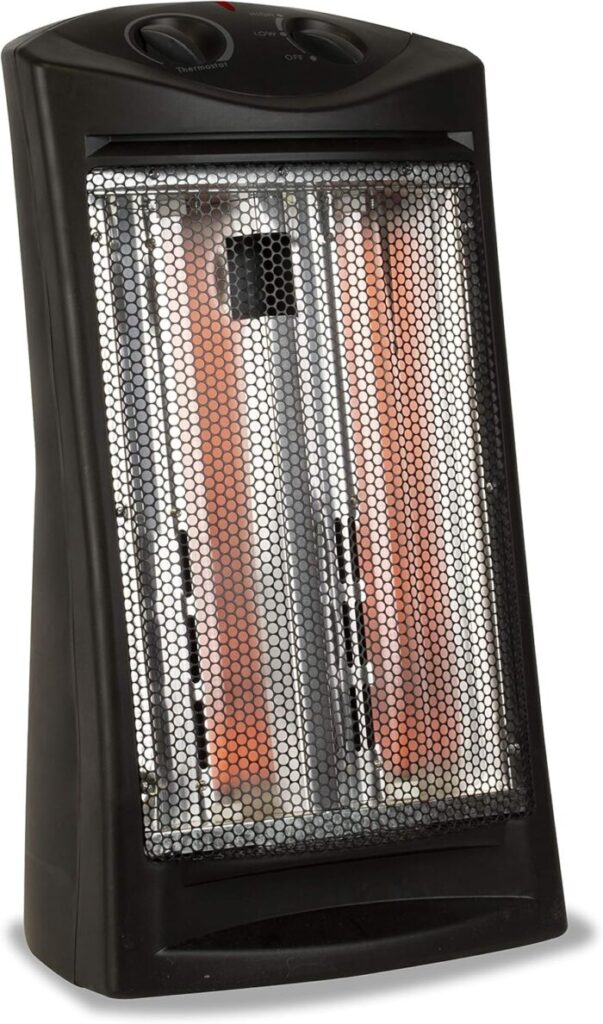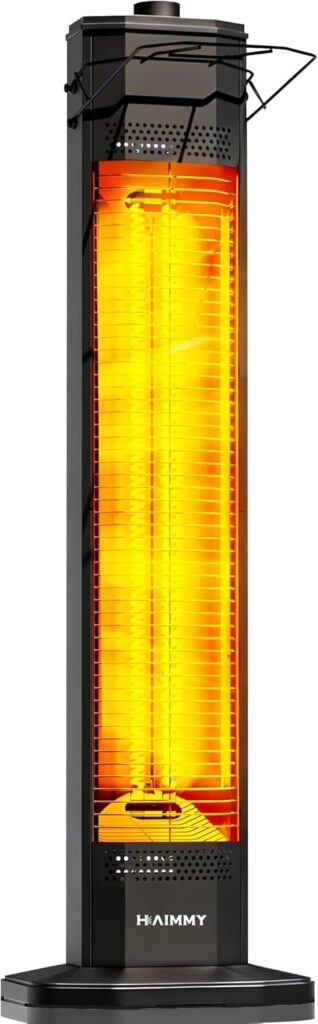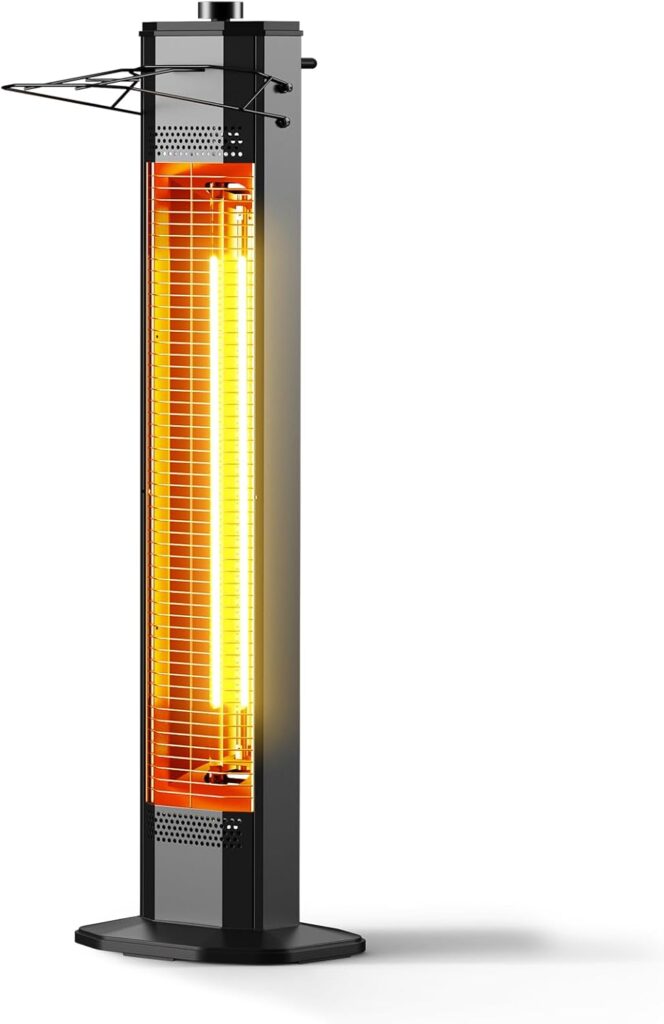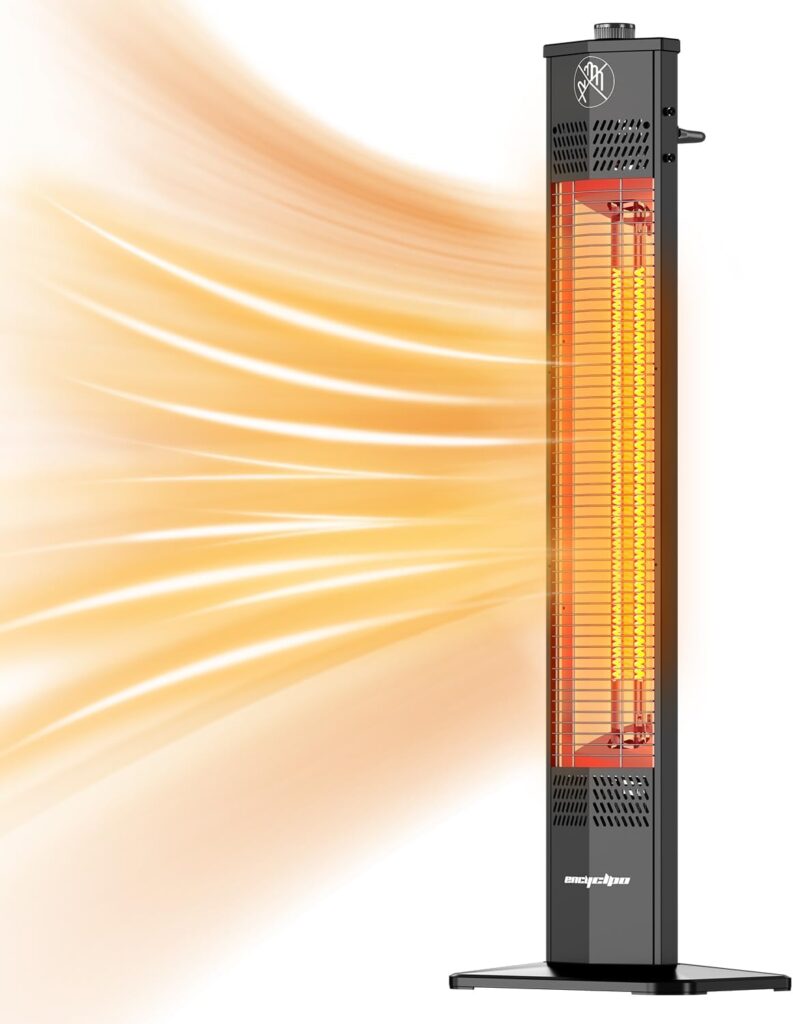
Choosing between an infrared cabinet heater and an infrared tower heater usually comes down to how you want the heat to feel once the heater is actually in your room. Both types often use similar 1500W plug-in limits, and both are usually sold as infrared or quartz-style heaters, but they don’t always behave the same in day-to-day use.
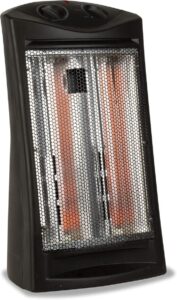
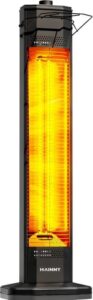
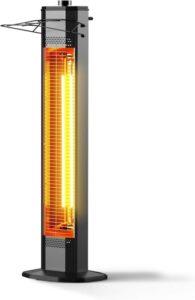
That’s what makes this comparison more interesting than it looks. Cabinet models — like the larger wood-frame indoor units people buy for living rooms and bedrooms — usually lean toward steadier, more even warmth. Tower-style models — including slimmer indoor towers and some patio-style towers — tend to save space and feel more directional. Here’s how they compare where it actually matters.
Quick Verdict
| Feature | Infrared Cabinet Heater | Infrared Tower Heater |
|---|---|---|
| Best for | Living rooms, bedrooms, steady comfort | Tight spaces, spot heat, slimmer setups |
| Typical feel | More even, less aggressive | More direct, faster up close |
| Footprint | Larger and bulkier | Slimmer and easier to place |
| Noise | Often a little softer | Usually similar, sometimes a bit more noticeable |
| Key strength | Calm, room-friendly warmth | Space-saving design and quicker directional heat |
| Main drawback | Takes up more floor space | Can feel narrower or less even |
Key Differences
How the heat feels
This is the biggest difference for most people. Infrared cabinet heaters usually feel calmer and more room-friendly. Even when they use quartz elements and a fan inside, the larger body tends to spread warmth in a softer way. That often makes them easier to live with for hours at a time in a bedroom, office, or living room.
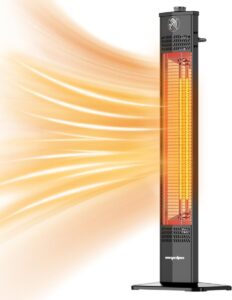
Tower heaters usually feel more directional. You notice the warmth faster when you’re sitting in front of them, but the heat can feel narrower depending on the design. That’s not always a bad thing — if you want quick personal comfort without dragging a bulky heater into the room, tower style makes a lot of sense.
Heat delivery and room coverage
A lot of shoppers assume both are pure radiant heaters. In real use, many cabinet and tower infrared heaters are actually hybrids — they use infrared or quartz elements, but still rely on a fan to help move heat through the room. So neither one acts exactly like a no-fan radiant bar heater mounted overhead.
Cabinet models usually do a better job of creating a more even sense of warmth over time. Tower heaters can warm you quickly at chair distance, but they don’t always feel as balanced across the whole room. In a drafty garage or a big open space, neither type is magic. If the room leaks heat badly, a more direct radiant setup can still feel stronger where you stand.
Size, placement, and portability
Cabinet heaters are the chunkier option. They often have a wider body, a heavier base, and more of a furniture-style look. That can be a plus if you want the heater to feel stable and less flimsy, but it also means they take up more space near a sofa, bed, or walkway.
Tower heaters win on footprint. They’re easier to tuck into corners, next to a desk, or beside patio seating without making the room feel crowded. That slimmer shape is a big reason people choose them. The catch is that slim doesn’t always mean lighter or better built — some tower units are still a bit top-heavy or more prone to vibration.
Noise and everyday comfort
Neither type is fully silent if it uses a fan. That said, cabinet heaters often come across as a little more relaxed in day-to-day use because the airflow feels less sharp and the body can dampen some of the mechanical sound. For living rooms and bedrooms, that softer presentation matters.
Tower heaters can still be quiet, but they’re more likely to have a faint buzz, hum, or slightly more noticeable airflow sound depending on the model. That doesn’t make them bad for bedrooms — plenty are still sleep-friendly — but it does mean the quietest experience usually comes from a well-built cabinet unit rather than the slimmest tower you can find.
Best use cases
Cabinet heaters make the most sense when you want everyday indoor comfort and don’t mind giving up some floor space. They suit bedrooms, TV rooms, home offices, and other places where you want the room to feel gently warmer rather than just getting blasted with heat in one direction.
Tower heaters fit better when space is tighter or when you want heat aimed more intentionally. They’re a strong choice beside a desk, near a chair, in a smaller apartment layout, or in a covered patio setup if the model is made for that use. Just don’t expect a slim tower to always feel as even as a larger cabinet heater.
Which Should You Buy?
Go with an infrared cabinet heater if you want the more relaxed, room-friendly option. It’s usually the better fit for indoor comfort in living rooms and bedrooms, especially when you care about even warmth and a less concentrated feel. The trade-off is obvious — they’re bulkier, heavier, and take up more floor space.
Choose an infrared tower heater if you want a slimmer heater that’s easier to place and feels a bit quicker up close. It’s the better match for tighter layouts, spot heating, desk zones, or shoppers who don’t want a boxy heater sitting in the middle of the room. Just know that slimmer design often means a narrower feel.
If you’re stuck, use this tie-breaker: cabinet for steadier all-evening comfort, tower for smaller spaces and faster personal warmth.