Choosing between wall-mounted vs portable patio heaters usually comes down to one practical question — do you want heat that stays focused on one main seating area, or heat you can move around as your setup changes?
That’s why this choice matters more than it seems at first. Both styles can use infrared heat, and both can work well on a patio or porch. But they don’t feel the same once you actually live with them. Wall-mounted heaters are about a cleaner setup, less floor clutter, and more intentional placement. Portable heaters are about flexibility, easier setup, and being able to pull the warmth closer when you want it.
In other words, this isn’t really just about raw wattage. It’s about how your space works day to day. If your chairs always stay in the same place, mounted heat often makes more sense. If your furniture moves, or the heater needs to serve more than one zone, portable can be the smarter buy.
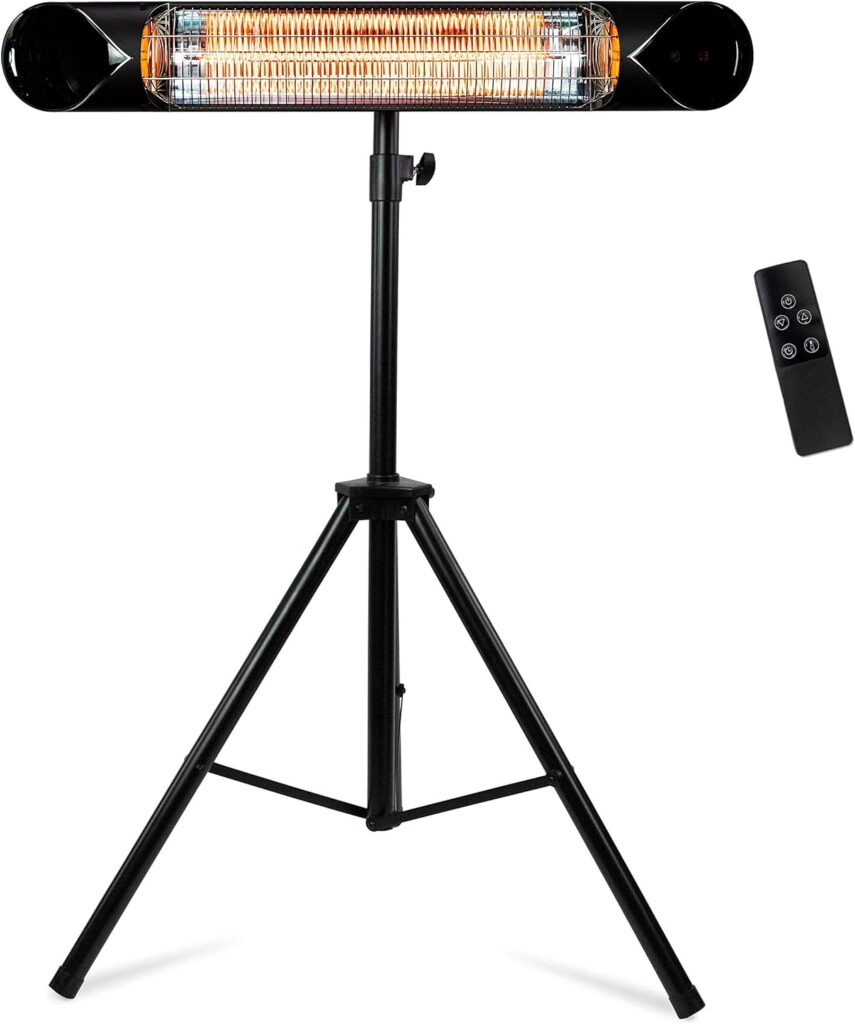
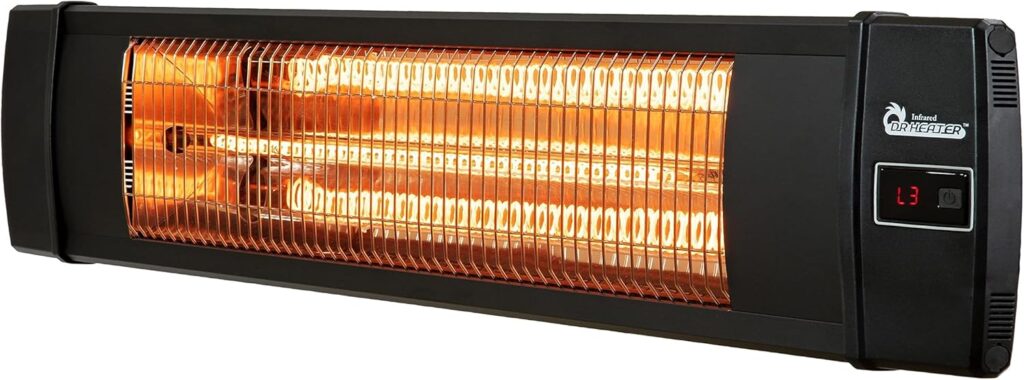
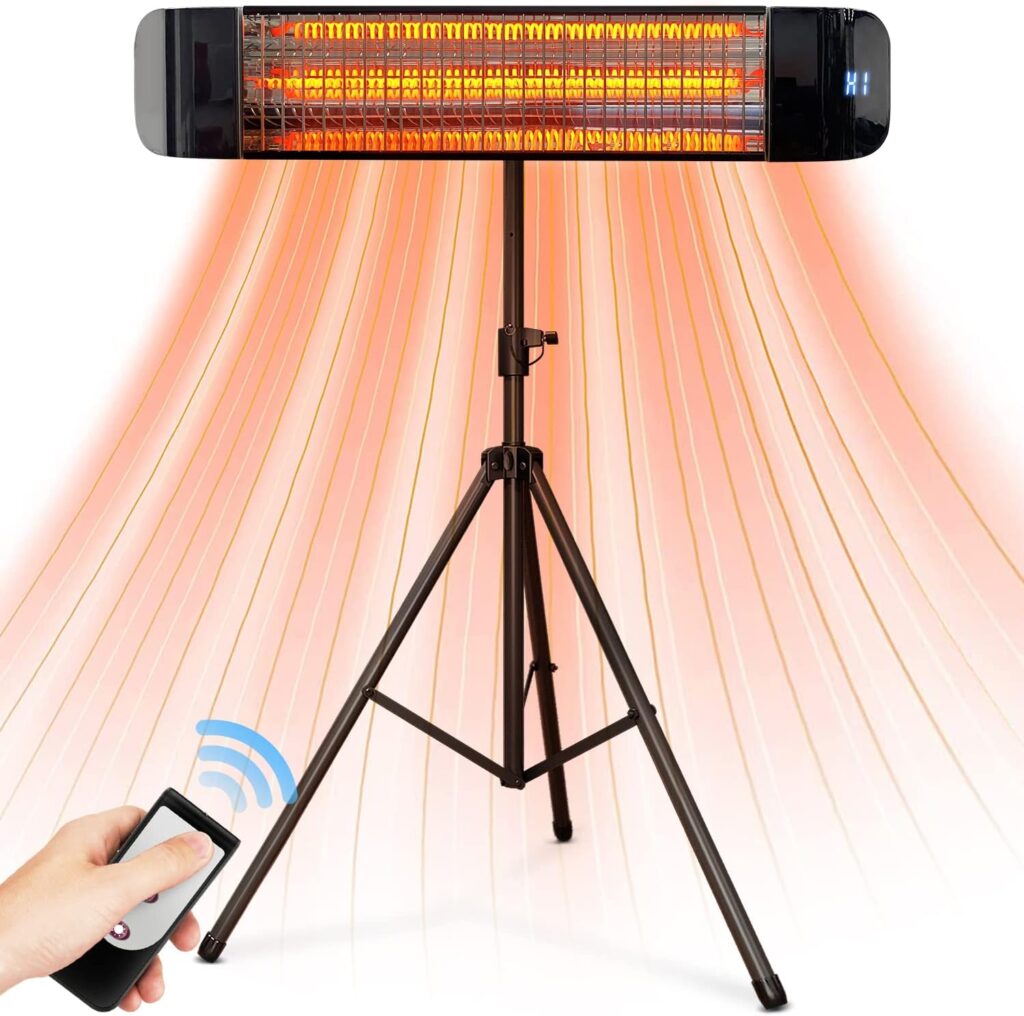
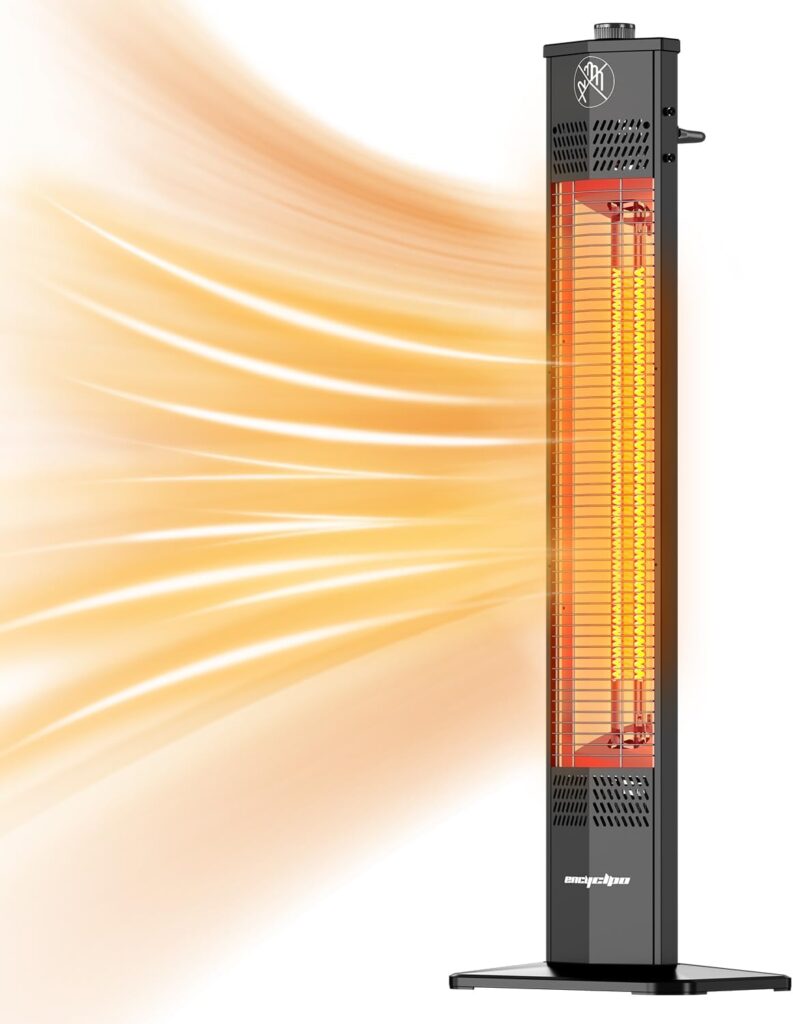
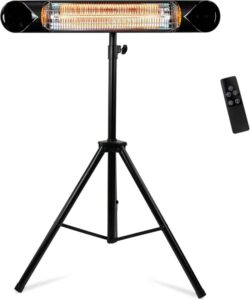
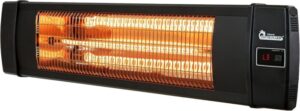
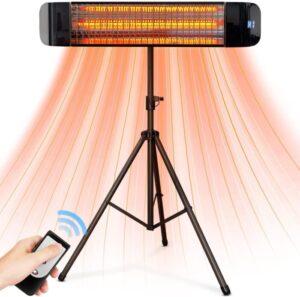
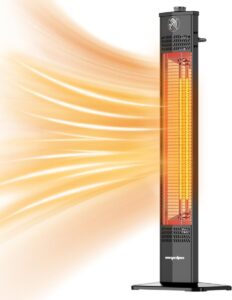
For this comparison, think of the wall-mounted side as the kind of experience you’d get from models like the Briza, DR. Infrared Heater DR-238, or a mounted Paraheeter. On the portable side, think more along the lines of a freestanding infrared tower like the Encyclpo.
Quick Verdict
| Feature | Wall-Mounted Infrared | Portable Infrared |
|---|---|---|
| Best for | Fixed seating areas, porches, cleaner layouts | Flexible seating, changing zones, renters |
| Setup | Requires mounting and some planning | Usually plug-in and go |
| Heat direction | More deliberate and repeatable | Easier to reposition |
| Floor space | Keeps it fully clear | Takes up some space |
| Flexibility | Lower | Much higher |
| Visual look | Cleaner, more built-in | More temporary-looking |
| Main strength | Always-ready overhead or side heat | Easy to move where needed |
| Main drawback | Less adaptable once installed | More clutter and less polished |
At a Glance Scorecard
| Category | Wall-Mounted | Portable |
|---|---|---|
| Space-saving | ★★★★★ | ★★☆☆☆ |
| Easy setup | ★★☆☆☆ | ★★★★★ |
| Layout flexibility | ★★☆☆☆ | ★★★★★ |
| Clean look | ★★★★★ | ★★★☆☆ |
| Spot-heating control | ★★★★☆ | ★★★★☆ |
| Best for renters | ★☆☆☆☆ | ★★★★★ |
| Best for covered porch seating | ★★★★★ | ★★★☆☆ |
| Best for multi-use spaces | ★★☆☆☆ | ★★★★★ |
Real-World Snapshot
Choose wall-mounted if your space sounds like this:
- A covered porch with one main sofa or dining set
- A garage or patio where you always sit or work in the same zone
- A smaller area where floor space matters
- A setup where you want the heater to feel built-in, not temporary
Choose portable if your space sounds like this:
- Chairs move around depending on the day
- You want to use the heater on the porch one day and in the garage the next
- You rent or don’t want to install hardware
- You want the easiest possible setup with the least commitment
Quick Comparison Graph
What each type is really better at
Wall-Mounted
- Space saving: █████
- Clean look: █████
- Fixed seating comfort: █████
- Flexibility: ██
- Easy setup: ██
Portable
- Space saving: ██
- Clean look: ███
- Fixed seating comfort: ████
- Flexibility: █████
- Easy setup: █████
That little snapshot tells the story pretty well. Mounted wins on polish and permanence. Portable wins on convenience and adaptability.
Key Differences
1) Installation and commitment
Wall-mounted infrared heaters make the most sense when you already know where the heat should go. That’s their whole appeal. Once installed, they’re always ready, always aimed at the same general zone, and they don’t need to be dragged into place every time the temperature drops.
The catch is obvious — they take more effort up front. You have to mount them properly, think about height and angle, and commit to one layout. That’s not a huge downside if your patio or porch is already set up around one main sitting area. But it is a downside if your layout changes often.
Portable heaters are the low-commitment option. You plug them in, put them where you want, and start using them. That simplicity is a big part of their appeal. They’re easier for renters, easier for testing different layouts, and easier if you’re not fully sure where the heater should live yet.
2) Heat feel and placement
With infrared heaters, placement matters a lot more than people expect. These heaters warm people and nearby surfaces more directly, so the direction of the heat matters just as much as the power rating.
That’s where wall-mounted units often feel smarter in everyday use. Because they’re installed on purpose, they usually deliver more repeatable warmth to the same chairs, table, or bench every time. A good mounted heater feels intentional. You sit down, switch it on, and the heat lands where it should.
Portable heaters can still feel great, but they depend more on where you put them that day. That flexibility is useful, but it also means performance can be more hit-or-miss. Put it slightly too far away, off to one side, or behind furniture, and the warmth may feel weaker than you hoped.
Heat feel table
| Heat Question | Wall-Mounted | Portable |
|---|---|---|
| Feels more intentional? | Yes | Sometimes |
| Easier to reposition? | No | Yes |
| Better for fixed chairs/sofa? | Yes | Good, but less consistent |
| Better when people move around? | No | Yes |
| Easier to “aim” after setup? | No need — already set | Yes, but manual |
3) Floor space and visual clutter
This is one of the biggest differences once the heater becomes part of your everyday setup.
Wall-mounted heaters keep the floor clear. That sounds simple, but on a porch or patio, it matters a lot. Chairs, side tables, planters, storage benches, and foot traffic already compete for room. Taking the heater off the ground can make the whole area feel calmer and less crowded.
Portable heaters give you flexibility, but they do add visual weight. There’s usually a base, a body, and a cord to work around. In a roomy patio, that may not matter much. In a tighter porch setup, it can start to feel like one more thing in the way.
Space impact table
| Space Factor | Wall-Mounted | Portable |
|---|---|---|
| Uses floor space | No | Yes |
| Looks built-in | Usually | Rarely |
| Easy to hide visually | Better | Harder |
| Best for narrow spaces | Yes | Sometimes |
| Best for open flexible layouts | Okay | Yes |
4) Flexibility versus permanence
Portable heaters win this part pretty easily.
If you want one heater that can serve a porch, garage, workshop corner, or covered patio depending on the day, portable is just easier. You’re not locked into one arrangement. That’s especially useful if your outdoor living space changes with the season or if you regularly move chairs around for guests.
Wall-mounted heaters trade that flexibility for a more finished experience. They feel more permanent because they are more permanent. That’s great when your layout is stable. It’s less great when the setup changes often or when you realize later that the best heating position is not where you first thought.
Flexibility chart
| Situation | Better Choice |
|---|---|
| You rent | Portable |
| You own and have a fixed layout | Wall-mounted |
| One heater for multiple spaces | Portable |
| Dedicated seating area | Wall-mounted |
| Cleaner long-term setup | Wall-mounted |
| Trial-and-error placement | Portable |
5) Safety and daily hassle
Neither type is automatically “safe” just because it uses infrared. You still have to think about clearances, weather exposure, cords, and where people walk.
Portable heaters add one obvious daily annoyance — the heater itself sits in the space. That means you’re dealing with a base on the floor and a power cord that has to go somewhere sensible. In busy porches, that can be mildly annoying at best and a tripping nuisance at worst.
Wall-mounted heaters reduce that clutter, which is one reason they often feel better in finished spaces. But they do need proper installation and sensible positioning. You don’t want one mounted too low, too close to fabrics, or badly aimed.
So the practical version is this: portable creates more day-to-day obstacles, while mounted creates more up-front planning.
Best Choice by Use Case
| Use Case | Winner | Why |
|---|---|---|
| Covered porch with fixed furniture | Wall-mounted | Cleaner and more intentional |
| Small patio with limited room | Wall-mounted | Saves floor space |
| Renter-friendly setup | Portable | No permanent install |
| Heater shared between spaces | Portable | Easy to move |
| Garage bench or work zone that stays put | Wall-mounted | Better fixed zone heating |
| Casual patio seating that changes often | Portable | More adaptable |
| More polished look | Wall-mounted | Feels built-in |
| Fastest setup | Portable | Just place and plug in |
Examples Behind These Categories
| Category | Example Models |
|---|---|
| Wall-mounted / mounted-use style | Briza 1500W Infrared Patio Heater, DR. Infrared Heater DR-238, mounted Paraheeter QHA-15DB |
| Portable style | Encyclpo 11-E0300 infrared tower |
That doesn’t mean every model behaves exactly the same. It just helps frame the type of experience each side usually delivers.
Which Should You Buy?
Go with a wall-mounted infrared heater if you want your patio or porch to feel tidy, intentional, and ready to use without dragging a heater into place each time. It’s the better fit for fixed seating areas, smaller porches, garage work zones, and any setup where floor clutter gets annoying fast.
Choose a portable infrared heater if flexibility matters more than looks. It’s the better option for renters, changing layouts, occasional use, or anyone who wants one heater that can move between spaces. It also makes sense when you’re still figuring out the best heating position and don’t want to commit yet.
If you’re stuck, use this tie-breaker:
buy wall-mounted if your furniture stays put — buy portable if your heater needs to move with you.