Choosing between a tabletop propane patio heater and a freestanding propane patio heater usually comes down to one simple question: do you want small, close-up warmth or bigger heat for a wider seating area?
That’s what makes this comparison interesting. Tabletop models are cheaper, easier to fit into small patios, and great for intimate setups. Freestanding models take up more room and cost more, but they’re the ones people buy when they want that classic “restaurant patio” warmth. Here’s how the two types actually compare in real life — not just on spec sheets, but in the way people really use them on decks, patios, porches, and chilly outdoor dinners.
Quick Verdict
| Feature | Tabletop Propane Heaters | Freestanding Propane Heaters |
|---|---|---|
| Best for | Small tables, balconies, close seating | Patios, decks, wider seating zones |
| Price range | Lower | Higher |
| Heat output | Lower, close-range warmth | Higher, broader warmth |
| Key strength | Compact and easy to place | Stronger heat coverage |
| Main drawback | Heat drops off fast | Bulkier and more wind-sensitive than expected |
| Typical fuel setup | 1 lb bottle or adapter hose | 20 lb propane tank in base |
Key Differences
Heat Output and What It Feels Like
This is the biggest difference, and honestly, it’s the reason most people end up choosing one type over the other.
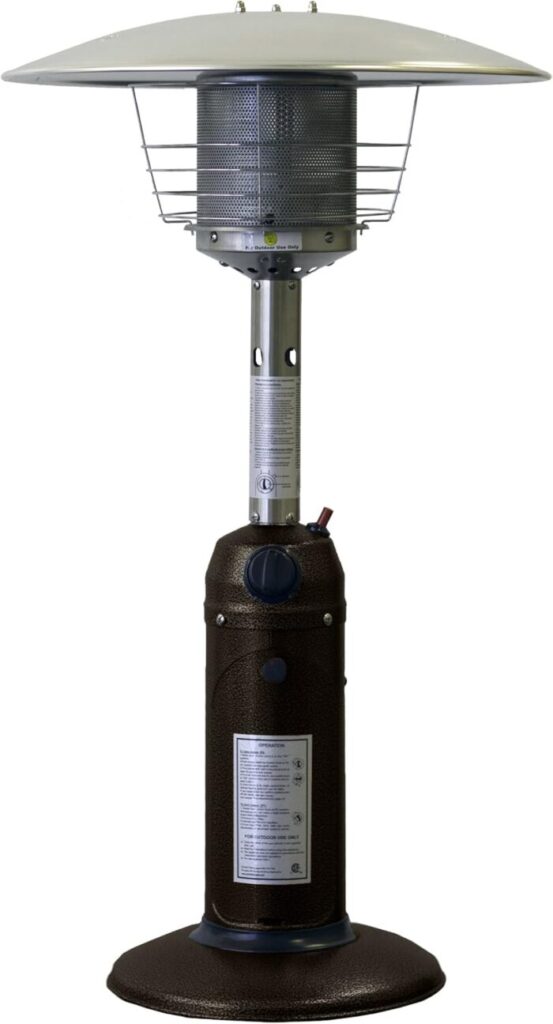
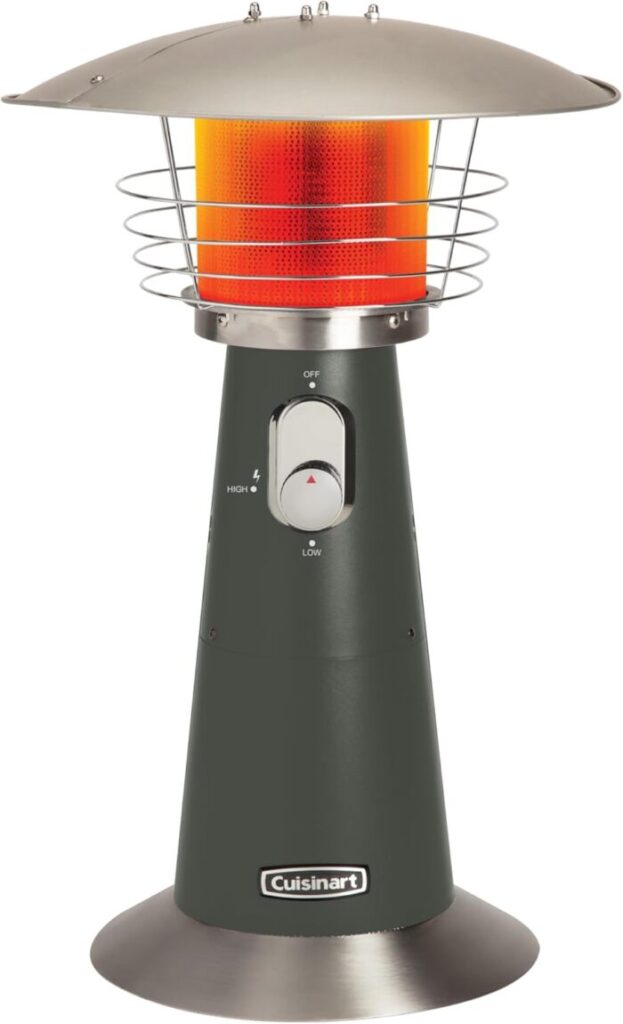
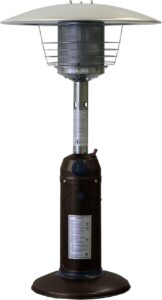
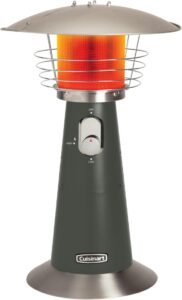
Tabletop propane heaters are really about personal comfort. Based on the product reviews here, models like the Hiland HLD032-CG and Cuisinart COH-514 work best when people are sitting close — usually within a few feet. They’re good at taking the edge off on mild or cool evenings, but they’re not built to warm a whole patio.
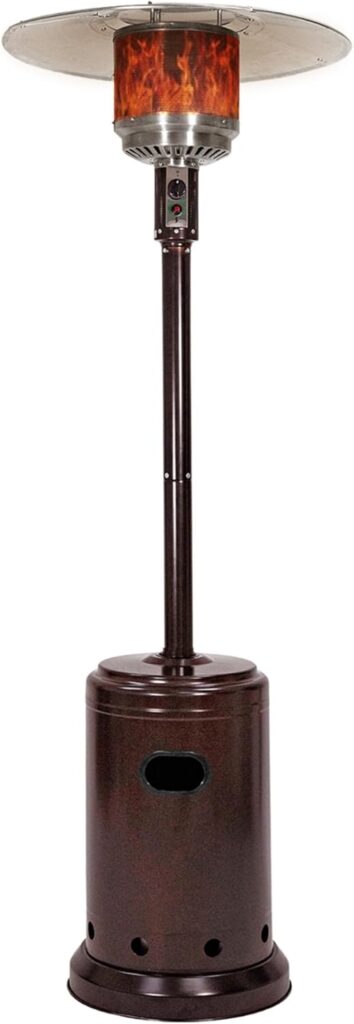
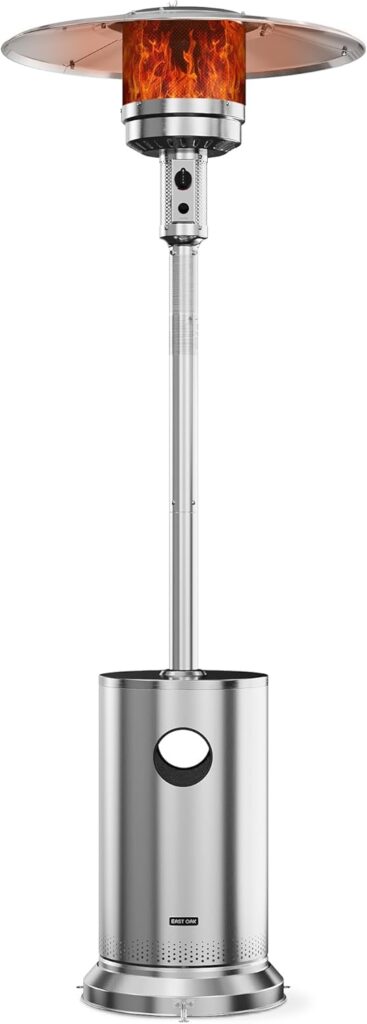
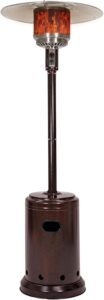
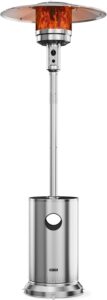
Freestanding propane heaters are the bigger, stronger option. Models like the Amazon Basics Patio Heater and EAST OAK UR48SR2 throw noticeably more heat and make more sense for a circle of chairs, a dining area, or a social patio setup. They still won’t “beat winter,” and wind still steals warmth, but they create a larger comfort zone than tabletop heaters can.
Space and Placement
If your outdoor space is small, tabletop has a real advantage.
A tabletop heater works well on a patio table, side table, or compact seating setup where floor space matters. That’s a big reason people consider them for balconies, porches, bistro tables, and smaller covered patios. They don’t dominate the space visually, and they’re easier to store when the season changes.
A freestanding heater asks for more room. It takes up floor space, needs safe clearance, and becomes part of the patio layout whether you want it to or not. The upside is that it becomes a heating anchor — something people naturally gather around. If you have the room, that’s a real benefit. If you don’t, it can feel bulky fast.
Fuel Convenience and Runtime
This is where tabletop heaters can start sounding great on paper but a little less convenient in practice.
Many tabletop propane heaters use small 1 lb propane bottles unless you add an adapter hose for a larger tank. In real use, that means shorter runtime and more frequent swaps. Reviews for both selected tabletop models repeat the same point: they work better long-term when hooked to a 20 lb tank adapter, especially if you plan to use them often.
Freestanding propane heaters usually run on a standard 20 lb tank stored in the base. That’s simpler for regular use and better for longer evenings. The tradeoff is that propane use can still feel expensive when you run them high, especially on colder or breezier nights. So freestanding is more convenient overall — just not cheap to run nonstop.
Wind and Real-World Performance
Neither type loves wind. That’s just outdoor heating reality.
With tabletop heaters, wind is a bigger problem because the heat output is already modest. A little breeze can turn “cozy” into “barely noticeable,” and some owners also report flame disruption or weak performance in exposed setups. These work best on sheltered patios, screened porches, covered decks, and calm nights.
Freestanding heaters handle cold better because they start with more output, but they’re still not magic in wind. The heat gets pushed away, and tall mushroom-style units can become stability concerns in gusty conditions unless the base is weighted properly and the location is protected. So freestanding wins this category — but only by being less compromised, not immune.
Cost, Value, and Who They Make Sense For
Tabletop propane heaters are usually the easier entry point. They cost less upfront, fit more spaces, and can be a smart buy when your goal is simple: keep one small table or seating area comfortable for a little longer. They’re especially appealing if you don’t want a giant heater parked on the patio.
Freestanding propane heaters cost more, but you’re paying for a bigger heating envelope and a more practical setup for regular hosting. If you have people over, sit outside often, or want a heater that feels like a real patio upgrade instead of a small accessory, freestanding usually makes more sense.
The catch is expectation. If you buy tabletop expecting broad warmth, you’ll likely be disappointed. If you buy freestanding expecting it to laugh at wind and heat your whole backyard, same story.
Which Should You Buy?
Choose a tabletop propane patio heater if you have a small outdoor setup, want something compact, and mainly care about warming the people sitting right next to it. It’s the better fit for balconies, small patios, covered porches, and casual dining setups where space is tight and you don’t need wide heat coverage.
Choose a freestanding propane patio heater if you want stronger heat, host more often, or need to warm a bigger seating area. It’s the better option for decks, patios, and open seating zones where people gather in a wider circle and expect a more noticeable heat bubble.
If you’re stuck, use this tie-breaker: small space and lower budget — go tabletop. Bigger patio and bigger expectations — go freestanding.