Amazon Basics Patio Heater Review — Big Warmth, Real-World Quirks (Assembly, Wind, Fuel Use)
At a Glance
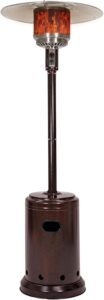
KEY FEATURES
- Type: freestanding outdoor propane patio heater (tower style)
- Heat output: 46,000 BTU
- Controls: ignition button + adjustable heat knob
- Coverage (brand claim): up to ~18 ft diameter / ~324 sq ft
- Mobility: built-in wheels
- Stability: weighted base (water box; many users also choose sand/gravel)
- Tank: uses a 20 lb propane tank (not included); chain included to secure tank
- Safety basics: tip-over shutoff; outdoor-only use guidance in the manual
PROS
- Strong warmth for close seating areas (many feel it fast)
- Quick ignition for most owners (often lights first try)
- Looks like the "restaurant patio" style people want
- Wheels help repositioning and storage
- Stable once the base is filled (water / sand / gravel)
- Simple knob control (no learning curve)
CONS
- Manual / assembly steps can be confusing or poorly staged
- Blue protective film on reflector panels is very tedious
- Wind cuts performance (open patios can feel underwhelming)
- Tank swaps are clunkier than "door-style" designs
- Some report rust, dents, bent hood, or slanted top
- Fuel use on higher settings can feel expensive
Editor's Choice
Based on rigorous testing & Amazon customer feedback
🔥 Will This Heater Work For Your Room?
Answer a few quick questions about your space to see if this heater is a good match.
Amazon Basics patio heater review: the “outside season extender” people actually use
There’s a moment every fall where you want to sit outside… and then you step out and immediately reconsider your life choices. That’s exactly the problem patio heaters are meant to solve — not “turn winter into summer,” but stretch your outdoor time into the nights you’d normally bail on.
In this Amazon Basics patio heater review, I’m pulling from what owners report after real use: dinners on the deck, hanging out under a tent, backyard parties, and the everyday ritual of rolling the heater into the right spot and clicking it on.
The headline from customers is simple: it puts out real heat and it usually lights fast. The tradeoff is also simple: assembly can be annoying, and wind changes everything.
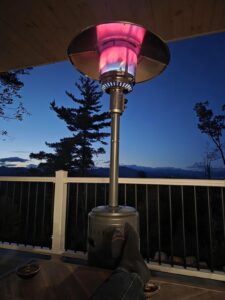
The kind of warmth people love (and where it lands best)
Most positive reviews describe a “bubble” of comfort — the kind where you can sit outside longer without being bundled like you’re camping. People mention feeling it from several feet away, and more than one person says they ended up turning it down because it got too warm once everyone settled in.
The important part is expectations: customers who love it tend to use it for close seating setups — patio tables, a couch area, a grilling zone, a small gathering corner. Buyers hoping it will heat a wide-open space in active wind are the ones more likely to feel underwhelmed.
Ignition and everyday use: refreshingly uncomplicated
This is one of the most repeated compliments: it’s not the kind of patio heater you have to “fight” to start. A lot of owners describe quick ignition and steady running once it’s going. The controls are basic — a knob and ignition button — which is exactly why people like it. No learning curve, no nonsense.
There are a few reports of ignition frustration or “it worked once, then not again,” but those are not the dominant story. Most reviews read like: assembled it, connected propane, started right up.
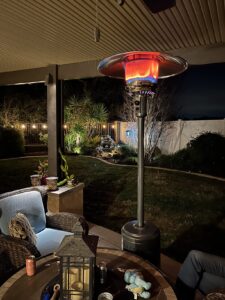
Assembly: not impossible, but it tests your patience
If you only read one “before you buy” note, make it this: assembly is the make-or-break experience.
Plenty of customers say it’s straightforward if you’re even mildly handy — lay out parts, don’t tighten everything until holes align, and use a socket set instead of the tiny included wrench. Others say the manual is confusing because it leans on diagrams, buries the clearer steps later, or doesn’t clearly map which bolts go in which stage.
And then there’s the universally hated side quest: peeling the blue protective film off the reflector pieces. People describe it as tedious, time-consuming, and weirdly rage-inducing. If you can recruit a helper for that part alone, you’ll be happier.
Wind, placement, and the “why isn’t it warmer?” moment
Outdoor heating is basically a negotiation with physics. Wind wins a lot.
Customers who get the best results usually mention one of these:
- putting it in a more sheltered spot
- placing it upwind so heat drifts toward seating
- using it under a high, open cover with proper clearance
- adding a wind block, or simply saving it for calmer nights
On breezy patios, people describe the heat getting carried away, so you end up standing closer than you planned. If your space is exposed, that’s not a dealbreaker — it just changes how you use it.
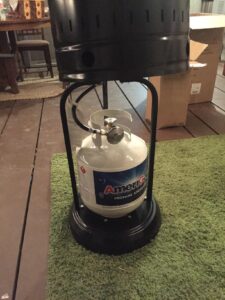
Stability and safety: fill the base, then take wind seriously
A recurring theme is base weight. People who fill the base (water, sand, gravel, pebbles) generally feel better about stability day to day.
But several reviews also mention tipping in gusts — even after weighting — especially in wide-open, windy areas or when the tank gets lighter. Some owners end up bungeeing it to a rail, using extra tie-downs, or choosing a more sheltered location.
Also worth repeating: this is an outdoor appliance, and the manual’s safety warnings matter — especially about ventilation and clearances.
Propane use: it’s powerful, and power costs
A bunch of buyers are totally fine with fuel use because they only run it a few nights a month. Others are surprised by how quickly a tank can drain on higher settings, especially if they’re trying to push warmth farther than the “sweet spot” range.
The most realistic takeaway from customer feedback: if you run it high in cold or wind, expect to go through propane faster. If you run it lower on calm nights, it tends to feel more reasonable.
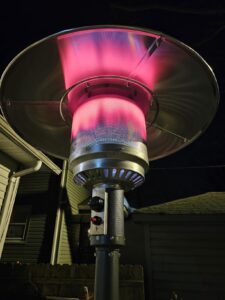
Design details people mention a lot
A few practical notes keep coming up in reviews:
- It looks great — the “commercial patio” style is a major reason people buy it.
- Wheels are useful for moving and storing, though a small number say the wheel assembly feels flimsy.
- Tank swapping isn’t as elegant as door-style designs. Several owners wish there was a simple access door instead of lifting the housing.
Who it’s for (and who should skip)
This heater is a solid fit if you want:
- a strong, straightforward patio heater for close seating areas
- quick starts and simple controls
- a nice-looking unit for gatherings, patios, or light commercial use
- something that feels like the classic restaurant outdoor heater
You may want to skip it if:
- your patio is very windy and exposed (or you expect big warmth far from the heater)
- you want painless assembly and “perfect manual instructions”
- you strongly prefer a door-access tank design for swaps
Pros & Cons Analysis
Based on extensive testing and Amazon customer feedback
Pros
- Seriously strong heat - many say it throws "a lot of heat" and can make chilly evenings actually comfortable (some mention cozying up 6 – 9 ft away)
- Lights fast and reliably for most - repeated praise for quick ignition (some call out "15 seconds" and "first try" starts)
- Looks "restaurant professional" - buyers often say it looks sleek, modern, and elevates patios, gatherings, and small businesses
- Wheels make placement easier - many like being able to roll it around the patio or move it for storage
- Sturdy once weighted - customers often mention filling the base (water, sand, gravel/pebbles) makes it feel stable for everyday use
- Easy everyday controls - people like the simple knob + ignition button setup (no fiddly menus)
- Good value for the output - many describe it as "best value for the money" vs pricier patio heaters with similar warmth
- Helpful safety features - buyers like the tip-over shutoff concept and the included chain for securing the tank
- Can last multiple seasons - plenty of "years of use" stories (3 – 5 years is mentioned more than once, especially with covers and basic upkeep)
- Great for gatherings - reviewers describe it as the "make outside usable" piece for fall parties, dinner nights, patios, and pool areas
Cons
- Assembly experience is inconsistent - common frustration with confusing manuals/diagrams, missing "step-by-step" stages, or needing to rely on photos, YouTube, or trial-and-error
- Protective blue film is a pain - a top complaint is the tight blue plastic on reflector pieces (time-consuming, tears, "took longer than assembly")
- Heat radius is smaller than some expect - a subset say you feel it best close-in, and it won't "transform winter" on open, breezy patios
- Wind is the enemy - frequent notes that breeze reduces comfort fast, and positioning upwind / adding a wind block matters a lot
- Tipping risk in gusts - multiple reports of units blowing over, even when weighted (especially in exposed or windy areas)
- Tank access design is awkward - several wish it had a door; swapping propane can require lifting the housing, which feels clunky (and sometimes "two-person")
- Propane use surprises some - a recurring complaint is fuel burn on medium/high (some report ~6 hours on a smaller tank; others are happy with runtime)
- Finish / durability complaints show up - reports of rust rings, early rust spots, or paint/finish concerns after rain/moisture exposure
- Shipping damage happens - bent hoods, dents, crooked/slanted tops, stripped screws, or damaged hardware packs are mentioned by some buyers
- Parts / service uncertainty - a few buyers dislike the lack of clear replacement-parts path (knobs, regulator, reflector hardware) and call it "hard to service" long-term
Our Verdict
Customers mostly buy this for one reason — to make outdoor time more comfortable — and the good reviews suggest it delivers on that when you use it the way people actually do: close range, calmer nights, base weighted, and set up with patience once.
If you go in expecting "big warmth right where we're sitting," most owners sound genuinely happy. If you go in expecting "heat the whole patio in wind," you'll be chasing the warm spot all night.
Frequently Asked Questions
How much heat does it feel like it puts out in real use?
Customer feedback is pretty consistent that it throws strong heat once it's running — especially if you're within a few feet. Many describe it as perfect for fall nights and cool evenings, but less impressive in open wind where heat gets carried away.
Does it light easily?
Is assembly difficult?
It depends on your comfort with DIY. Plenty of buyers say it's straightforward if you lay out parts first, leave bolts loose until alignment is right, and use a socket set. The most common frustration is the manual — some say the clear step-by-step section is buried later in the booklet.
Why does everyone complain about the blue film?
The reflector pieces are protected on both sides with a tight blue plastic. Many reviews say it tears easily and takes 20 – 45 minutes on its own. A common tip is using warm air (like a hair dryer) and working slowly from edges.
Do I really need to fill the base with water or sand?
Most customers strongly recommend it. A weighted base makes it feel much more stable day-to-day, and several people mention tipping in gusty wind when the base wasn't weighted enough. In cold climates, many prefer sand or gravel to avoid freezing issues.
How long does a propane tank last?
Real-world reports vary with setting and weather. Some users mention around ~10 hours on a full 20 lb tank, while others say a smaller tank can feel like it drains fast (around ~6 hours on medium). Wind and running on high will shorten runtime.
Can I use it under a covered patio or low ceiling?
Be careful here. Owners frequently mention clearance limitations, and the manual includes outdoor-only guidance and clearance cautions. If your patio has a low ceiling or overhang, double-check clearances before you commit.
How well does it work when it's windy?
Customers commonly say wind reduces comfort fast. The best results come from placing it in a wind-protected spot, positioning it upwind so heat drifts toward seating, or adding a wind block. In very open areas, expectations often need a reset.
Is swapping the propane tank easy?
It's doable, but several buyers wish it had a door. The tank area is covered, and some people describe lifting the housing as awkward — especially if you're doing it solo.
Any tips to reduce rust outdoors?
What are the most common quality issues reported?
A minority of buyers report shipping dents, bent hoods, slanted tops, stripped screws, or hardware packs arriving damaged. A few also mention regulator or knob issues. Many others report multiple seasons of trouble-free use, especially with a cover and basic upkeep.
What's the most important safety reminder?
Use it outdoors only and follow the manual's safety guidance. Customers also recommend doing a leak test after connecting propane and keeping adequate clearance from combustibles and overhead surfaces.
Is it worth buying accessories like a cover or heat shield?
Many owners say a cover is a must-have for keeping it looking good and lasting longer. A few also recommend a heat shield accessory to help direct warmth and reduce wind loss, depending on your setup.
Technical Specifications
| Brand | Amazon Basics |
|---|---|
| Model / SKU | 61826 (ASIN: B00LILH3V4) |
| Heater type | Outdoor propane patio heater |
| Form factor | Tower |
| Heating method | Radiant heat (propane flame) |
| Heating element | Propane gas burner |
| Max heat output | 46,000 BTU |
| Voltage | Not applicable (no plug-in power required) |
| Amperage | Not applicable |
| Coverage (manufacturer claim) | Up to 324 sq ft (about 18 ft diameter) |
| Temperature range | Not specified (adjustable heat-output knob) |
| Speeds / levels | Variable output (adjustable control knob) |
| Noise level | Not specified (typical soft gas “hiss”) |
| Oscillation | No (fixed, 360° radiant pattern) |
| Controls | Ignition button + control knob |
| Timer | No |
| Power source | Propane (gas powered) |
| Mounting / placement | Free standing / standalone |
| Dimensions (D × W × H) | 32.12" × 32.12" × 91.3" |
| Weight | 18.14 kg (about 40 lb) |
| Color | Havana Bronze |
| Special features | Wheels, one-touch ignition, adjustable heat output, tilt safety auto-shutoff, water box for base weighting, tank chain |
| Safety certification | Not specified |
| Included in the box | Patio heater (propane tank not included) |
| Warranty | Manufacturer warranty available via customer service (details not listed in provided specs) |
| Recommended room types / uses | Outdoor patios, decks, backyards, cafes/restaurants, outdoor gatherings |
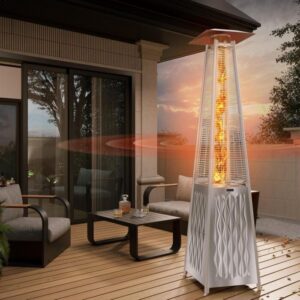
EAST OAK TS48SR4 Pyramid Patio Heater Review — Big Ambience, Close-Range Warmth
EAST OAK TS48SR4 Pyramid Patio Heater review: the one people buy for the flame (and keep for the vibe) If…
EAST OAK UR48SR2 Patio Heater Review — Big Heat, Handy Table Top, Standout Support
EAST OAK UR48SR2 patio heater review: the “hang outside longer” upgrade Outdoor season doesn’t end when the sun sets early.…
Heat Storm Tradesman Tripod Infrared Heater Review — Big, Silent Warmth for Garages and Patios
Some heaters warm a room. This one warms you. That’s the big takeaway from customer feedback on the Heat Storm…
Hykolity Patio Heater Review — Big 50,000 BTU Heat, Wheels, and the Wind Question
Hykolity patio heater review: the cozy-maker for small patios (if you secure it) There are two kinds of “chilly evening”…


