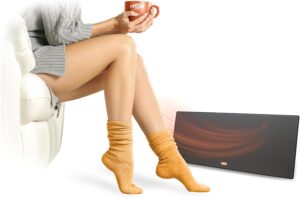
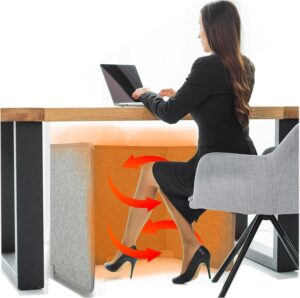
Finding the best personal radiant heaters for desk and feet use is really about solving one annoying problem: your feet are freezing, your shins feel cold, and the rest of the room may be perfectly fine. That’s why this category is different from regular space heaters. You’re not trying to heat a bedroom or office from corner to corner — you’re trying to make one small work zone feel comfortable.
That’s also where a lot of people buy the wrong heater. A loud ceramic model may blast hot air for a few minutes, but it can feel too aggressive under a desk, too noisy for calls, or just badly aimed for the kind of close-range warmth you actually want. The best personal radiant heaters for desk and feet comfort usually work better because they focus on quiet, direct heat instead of trying to force warm air around the room.
This guide stays narrow on purpose. These picks make the most sense for under-desk warmth, long seated work sessions, and people who want warmer feet and legs without dealing with a bulky full-room heater.
At a Glance
| Product | Best For | Heat Style | Main Strength | Main Trade-Off |
|---|---|---|---|---|
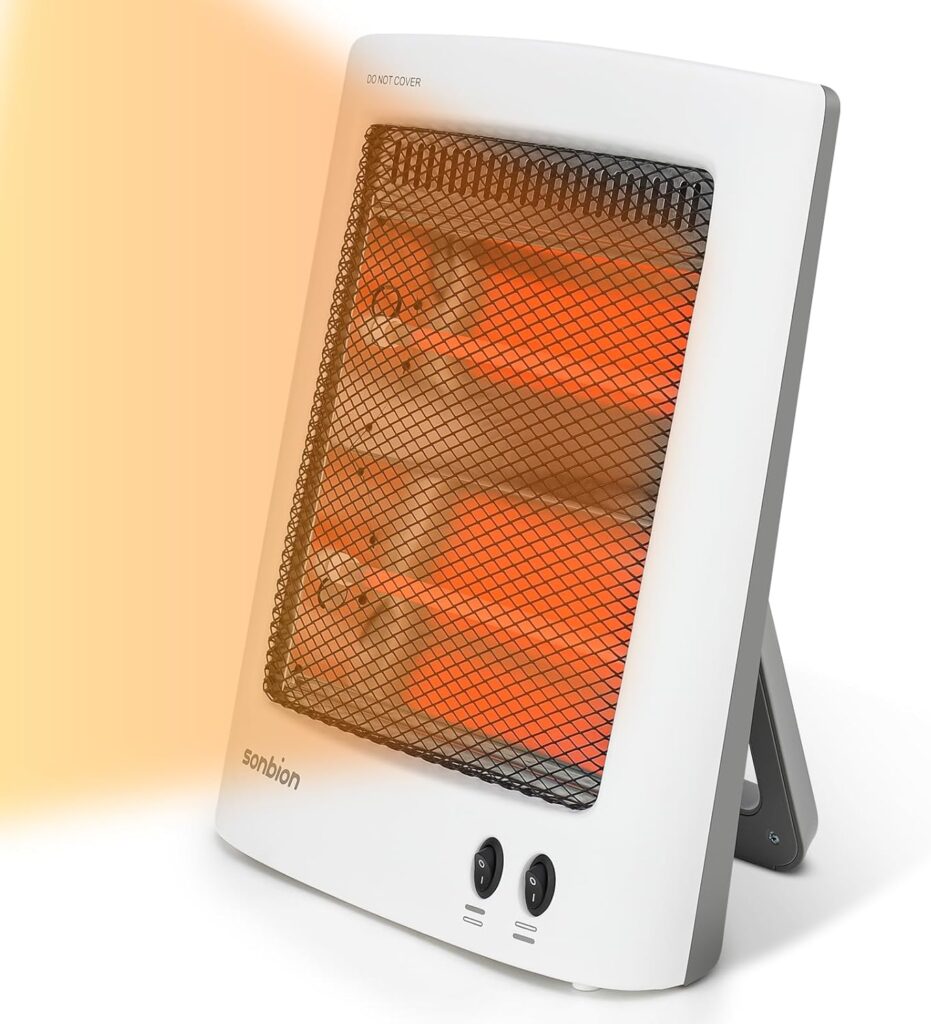
| SONBION Radiant Space Heater | Small under-desk setups | Targeted personal heat | Compact and easy to position | Narrower comfort zone |
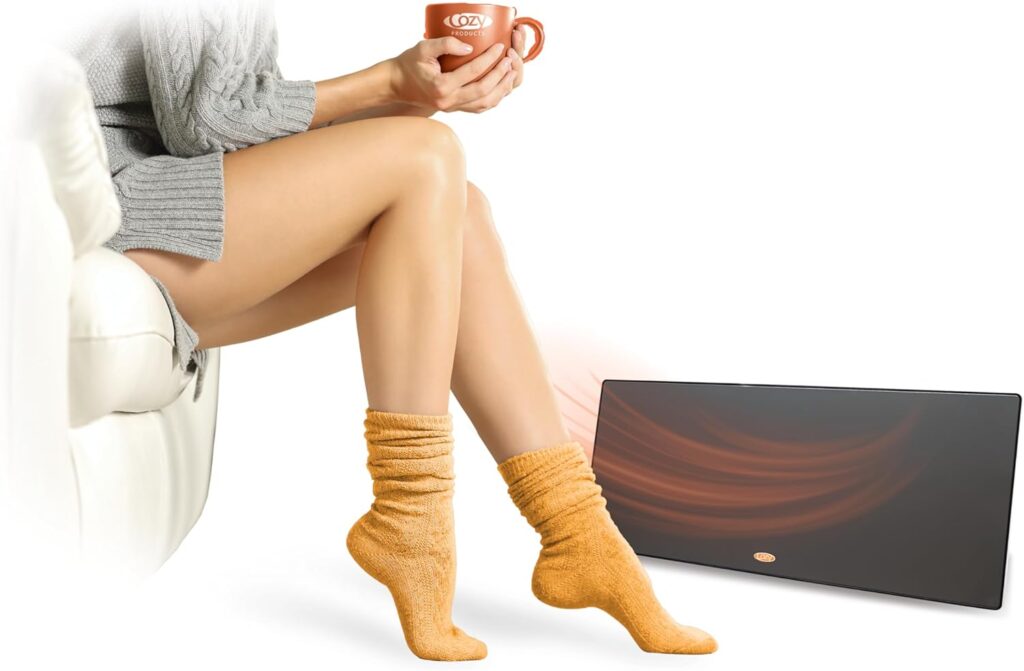
| Cozy Legs CL-2 | Long work sessions | Gentle radiant panel warmth | Quiet, low-fuss comfort for legs and feet | Less “instant heat” feel |
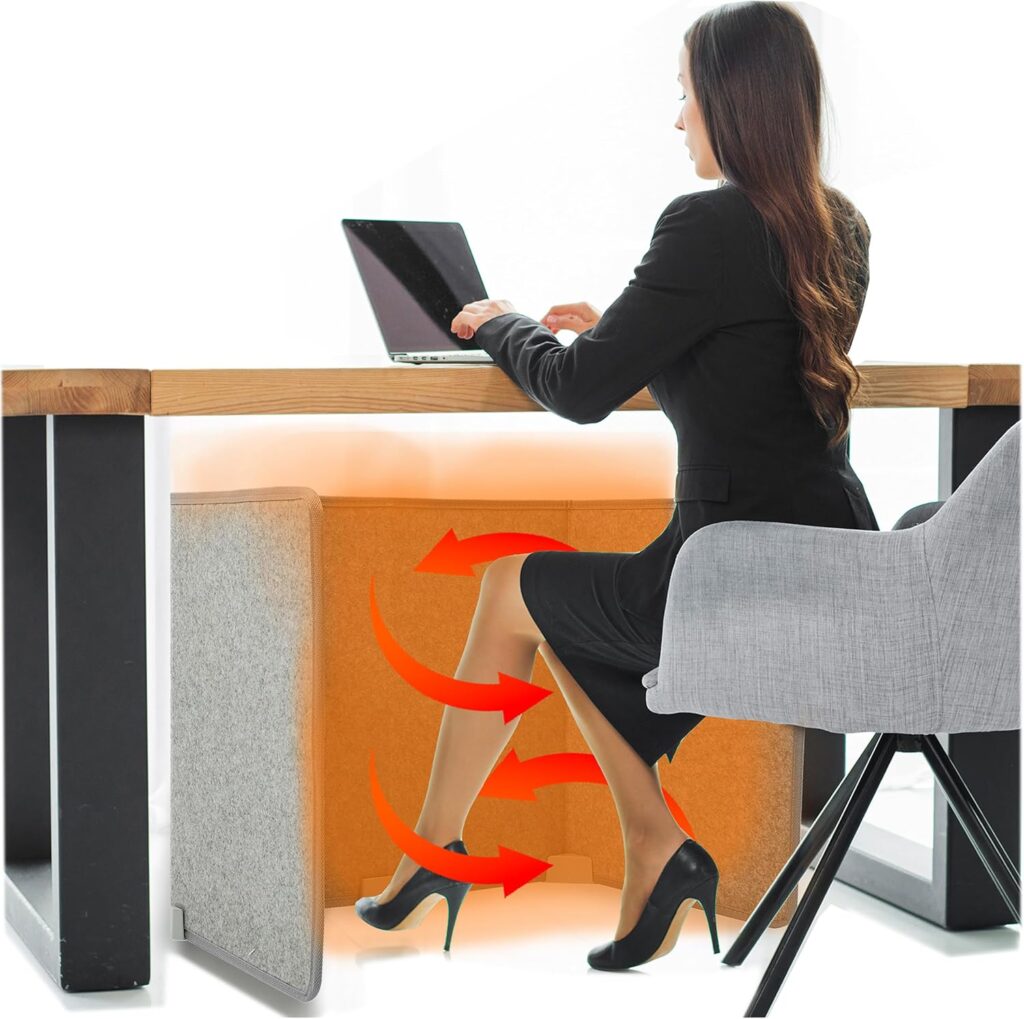
| WhisperHeat DSK1300 | Dedicated home office desks | Under-desk panel warmth | Broader lower-body coverage | Less portable, more fixed in use |
How We Chose the Best Personal Radiant Heaters for Desk and Feet
We focused on what actually matters at a desk: targeted warmth, quiet operation, sensible size, and whether a heater makes real lower-body comfort easier instead of pretending to heat a whole room. For the best personal radiant heaters for desk and feet, raw wattage only tells part of the story. Placement, heat style, and how broad the comfort zone feels matter just as much. We also favored models that make sense for long seated work instead of short bursts of heat.
What to Consider When Buying Personal Radiant Heaters for Desk and Feet
Personal heat vs room heat
This is the first mistake people make. A desk heater is not a room heater. It’s there to warm you — mostly your feet, ankles, calves, and maybe your knees — while you work.
That’s a good thing when used the right way. Personal heat is usually cheaper, quieter, and more comfortable for desk use. But if your whole office is freezing, you may still need a regular heater in addition to a desk-focused one.
Direct heat vs panel warmth
Some personal heaters feel stronger because they focus heat into a smaller spot. That can be great if you want quick warmth on cold toes. The trade-off is that the feel can be more uneven — hot in one area, less warm elsewhere.
Panel-style warmth usually feels less dramatic but more comfortable over time. For long seated work sessions, many people end up preferring broader, gentler warmth over a narrow hot spot.
Noise matters more than wattage here
A desk heater sits close to you. That changes everything. A little fan hum that seems harmless in a bedroom can feel annoying when it’s right below your keyboard all day.
That’s one reason quiet radiant styles work so well in this category. When the heater disappears into the background, the whole setup feels better.
Placement day.
That’s one reason quiet radiant styles work so well in this category. When the heater disappears into the background, the whole setup feels better.
Placement changes performance
With desk heaters, placement can matter almost as much as the heater itself. Desk supports, deep tabletops, cable trays, and clutter can block the warmth more than people expect.
A broader under-desk panel usually helps because it covers more area at once. Smaller heaters can work very well too, but they depend more on exact angle and distance.
Safety basics still matter
Even small personal heaters need clear space. Keep paper, bags, blankets, and charging cables away from the heat source. Don’t use power strips or extension cords, and don’t wedge the heater into a cramped space with no breathing room.
It also helps to think about how you actually work. If you shift your legs a lot or pile things under your desk, a flatter panel-style heater may be easier to live with safely than a boxier spot heater.
Desk Heater Reality Check
Here’s the honest version of what each style usually feels like:
| Heater style | What it does well | What it doesn’t do well |
|---|---|---|
| Compact personal heater | Quick, direct warmth in a small spot | Won’t cover your whole lower body evenly |
| Radiant foot/leg panel | Quiet, steady comfort for long work sessions | Usually feels less dramatic at startup |
| Larger under-desk panel | Broader comfort zone across feet and legs | Takes more space and feels less portable |